
8 Things You Should Know Before Buccal Fat Removal



Buccal Fat Removal is a procedure that is rising in popularity due to the desire to achieve the coveted V-Line face shape. Although many women (and men) would love to have contoured cheeks, like Bella Hadid, many are also fearful that it may lead to sunken cheeks and an aged appearance. Here, patient selection is the key to attaining the effect you want (see below). Here are essential things to know before considering Buccal Fat Removal Surgery:
What is Buccal Fat Removal?
Buccal Fat Removal Surgery, or buccal lipectomy, removes fat from the cheeks. This has a slimming effect for the face and helps to define your cheekbones. It has an effect on reducing the appearance of jowls too. The size of buccal fat varies from person to person, regardless of weight. In fact, large buccal fat pads are often hereditary, and they aren’t affected by diet and exercise. While liposuction isn’t recommended for buccal fat pad reduction (because it can damage nerves), buccal fat removal is paired in some cases with liposuction on other parts of the face, to further slim and sculpt. It may also be combined with facial fillers, to give cheekbones even more prominence, or Lipodissolve to reduce a double chin and sculpt the jaw.
What are the Pros and Cons of Buccal Fat Removal?
Pros
- You’ll have no visible scars, since the procedure is done inside your mouth.
- When done properly, it creates a slimmer and more sculpted lower cheeks and jawline.
- It can be used to treat facial asymmetry
- Results are permanent, even if you gain weight.
- It is a quick procedure – buccal fat removal typically takes 20 minutes.
- Downtime is relatively minimal, and most patients return to work after 1-2 days.
Cons
- If the surgeon removes too much fat or if the surgery is done on the wrong face type, your face may look too gaunt. Correct patient selection by the surgeon is vital.
Who is and who is not a good candidate for Buccal Fat Removal?
What happens during Buccal Fat Removal surgery?
Many describe that this surgery feels more like a dental procedure. The surgery starts with a numbing gel in side the mouth before a small local anaesthetic injection. The surgeon then makes small incisions, which are about 1-2 cm, on the insides of your cheeks. The fat is then teased out gently and the incisions are closed with self-dissolving stitches. You will go home with antibiotic medication and a medicated mouthwash to prevent infection.
What should you expect during Buccal Fat Removal recovery?
At home, you may apply ice packs to your cheeks and drink ice water for a few days to reduce swelling and discomfort. Swelling is usually minimal and bruising is uncommon. Due to the incisions inside your cheeks, stick to a soft-food diet and avoid anything too hot or spicy for at least 24 hours.
When will you see Buccal Fat Removal Results?
Most of the swelling will be gone within 5 days. However, it can take up to three or even six months to see your real results, as your skin lifts into the space hollowed out by the fat removal. Again, hollowing is uncommon if the right patient is selected for the procedure.
What are the risks of Buccal Fat Removal?
Salivary duct, facial nerve damage, bleeding and blood collection are uncommon but possible risks. Finding a
How much does Buccal Fat Removal surgery cost?
The cost ranges from $2,500 to $5,000 depending on your clinic choice and the experience of your surgeon.
About Our Plastic Surgeons
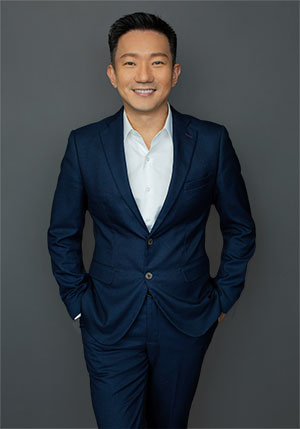
Medical Director & Consultant Plastic Surgeon
MBBS, MRCS, MMed, FAMS (Plastic Surgery)
Dr Jonah Kua is a Consultant Plastic Surgeon, with extensive experience in reconstructive and aesthetic plastic surgery. He previously served as the Head of the Plastic Surgery Service at Changi General Hospital, was the National Program Director in Plastic Surgery at Singapore General Hospital and played a pivotal role in setting up the Breast Reconstruction and Aesthetic Surgery services in Changi General Hospital (CGH). Dr Kua is also the recipient of dual fellowship awards in the United Kingdom and South Korea. At his practice, Dr Kua combines clinical expertise with a deep understanding of individual needs, aesthetic goals and medical history to achieve natural-looking and beautiful results.

Medical Director & Consultant Plastic Surgeon
MBBS, MRCS, MMed, FAMS (Plastic Surgery)
Dr Chia Hui Ling has undergone advanced fellowship training in plastic surgery in South Korea and the United Kingdom, bringing international expertise to reconstructive and aesthetic procedures. She has special interests in facial plastic surgery, facial rejuvenation, breast reconstruction and microsurgery, and is known for her meticulous attention to detail and personalised approach to patient care. By combining advanced surgical techniques with evidence-based practice, Dr Chia develops individualised treatment plans that prioritise safety, function and natural-looking outcomes for every patient.
How can we help?
