
Understanding Why Eye Bags Can Return After Treatment


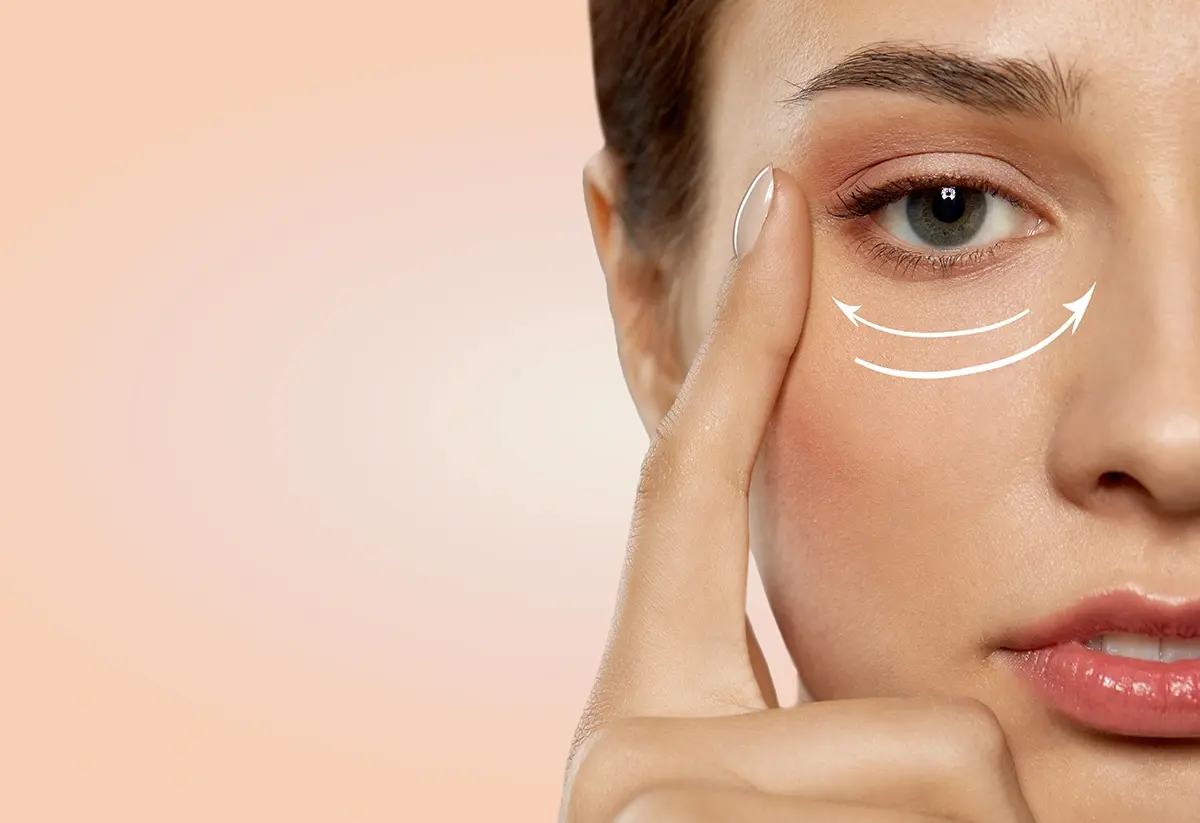
Understanding the longevity of eye bag surgery begins with addressing the common misconception of permanence. While many patients view the removal of fat pads as a definitive, one-time fix, the reality of facial anatomy is far more fluid. Long-term treatment success depends on addressing the underlying structural causes of eye bags—such as removing or repositioning prolapsed fat—rather than simply hiding shadows with temporary fillers.
While the specific fat pads addressed during a procedure typically do not return, the stability of the result is also often tied to the ongoing strength of the surrounding skin, muscle, and bone. Because these facial layers naturally shift and thin over time, surgery acts as a significant reset rather than a permanent halt to the ageing process.
Understanding the Primary Causes of Eye Bag Recurrence
Identifying the underlying biological triggers of eye bag recurrence is essential for managing long-term outcomes and tailoring future maintenance. Some of the primary causes often include:
The Role of Genetic Predisposition
: Some individuals possess a natural anatomical tendency for fat prolapse, where the tissues surrounding the eye are inherently more prone to shifting. Despite a successful initial treatment, these genetic factors can influence how the remaining fat behaves as the facial structure matures over several years.Ongoing Sagging of the Orbital Septum
: The orbital septum acts as a structural retaining wall that holds fat in place, but this membrane naturally continues to weaken and lose tension with age. As this internal support diminishes, deeper fat deposits may gradually shift forward, potentially creating the appearance of new protrusions in the lower eyelid area.Volume Loss in the Mid-Face
: Natural hollowing in the cheeks and malar area can significantly alter the transition between the lower eyelid and the mid-face. When the cheeks lose volume, the lack of support can make even a small, normal amount of remaining fat appear like a prominent new eye bag due to the increased depth of the surrounding shadows.
The Impact of Natural Ageing on Long-Term Results
The long-term success of eye bag surgery is inextricably linked to the natural maturation of the facial framework and its surrounding tissues. This is through:
Deteriorating Skin Elasticity
: As the body ages, the gradual loss of collagen and elastin leads to thinner, more fragile skin that lacks its former resilience. Even if the underlying fat was previously removed, this increasing laxity can cause the lower eyelid to sag or wrinkle, potentially creating a heavy or tired appearance over time.Bone Resorption Around the Orbit
: The facial skeleton undergoes significant changes with age, particularly through bone resorption that causes the eye socket to widen and the cheekbones to recede. This loss of skeletal support alters the foundation of the lower eyelid, which can cause the overlying soft tissues to shift and lose their smooth, youthful contour.Fat Atrophy vs. Fat Prolapse
: It's important to distinguish between the recurrence of a fat bag and the loss of youthful fullness in the surrounding mid-face. While a prolapse involves fat pushing forward, fat atrophy is the natural thinning of the subcutaneous layer, which can make any remaining structural contours appear more prominent as the concealing volume disappears.
Lifestyle Factors That Influence Treatment Longevity
While the technical execution of eye bag surgery is critical, these daily habits and environmental factors significantly dictate how well those results are preserved over time:
High Sodium Intake
: Diets rich in salt lead to systemic water retention, causing the delicate lower eyelid tissues to swell and mimic the appearance of structural bags.Chronic Sleep Deprivation
: Consistent lack of rest may affect the body's ability to repair cellular damage, leading to persistent dark shadows and a loss of skin vitality.The Cumulative Effect of UV Damage
: Unprotected sun exposure accelerates the breakdown of collagen and elastin, the very proteins needed to keep the lower lid taut.Poor Sleep Positioning
: Sleeping flat or on one's stomach can cause fluid to pool in the periorbital area, which may contribute to temporary morning puffiness around the eyes.Unmanaged Seasonal Allergies
: Frequent rubbing of the eyes due to allergic irritation can cause mechanical trauma to the skin, leading to premature laxity and thinning.Stress and Systemic Health
: High-cortisol levels from a high-stress lifestyle interfere with skin barrier function, accelerating the visible ageing of the thin periorbital skin.

Strategies to Maintain a Refreshed Appearance
Implementing a proactive post-operative care strategy is essential for protecting the structural investment of eye bag surgery and extending its youthful effects.
To maintain a smooth and firm lower eyelid contour, the following maintenance habits should be integrated into a long-term wellness plan:
Medical-Grade Skincare Regimens
: Using topicals with retinoids or peptides may support collagen production and improve overall skin structure.Daily High-SPF Protection
: Applying broad-spectrum sunscreen consistently prevents the UV-induced breakdown of the elastic fibres that keep the lower lid taut.Targeted Hydration
: Hyaluronic acid-based serums maintain the skin's moisture barrier, reducing the appearance of fine lines that can mimic early recurrence.Light-Based Maintenance Therapies
: Periodic laser or intense pulsed light (IPL) treatments can improve skin texture and address pigmentation that creates dark shadows.Collagen Biostimulators
: Non-invasive injectable treatments may help stimulate collagen production to address age-related volume loss.Lymphatic Drainage Techniques
: Gentle massage or elevating the head during sleep may help to reduce temporary puffiness around the eyes.Nutritional Support
: A diet rich in antioxidants and vitamin C provides the necessary building blocks for skin repair and long-term tissue health.Identifying Revision Needs
: Monitoring for significant skin laxity or new fat protrusion helps in determining when a professional secondary adjustment is clinically appropriate.
Ensuring Lasting Results with Astrid Plastic Surgery
Maintaining a rejuvenated appearance after addressing lower eyelid concerns requires a dual approach that combines surgical precision with a dedicated long-term care strategy. While the procedure provides a foundational structural reset to address prominent eye bags, the longevity of these results is ultimately sustained through consistent skin maintenance and informed lifestyle choices.
At Astrid Plastic Surgery, we focus on delivering outcomes that respect the dynamic nature of your facial anatomy. Consultant Plastic Surgeons Dr Jonah Kua and Dr Chia Hui Ling combine extensive clinical expertise with a meticulous understanding of eyelid structures to ensure that every correction is both balanced and natural-looking.
To learn more about preserving your surgical results or to determine if you're a candidate for a primary or secondary adjustment, get in touch with us today to book a consultation and begin your journey toward lasting facial refreshment.
Frequently Asked Questions (FAQs) About Eye Bag Surgery
Can I have eye bag surgery more than once in my lifetime?
How can I tell the difference between new eye bags and temporary morning puffiness?
Will my eye bags return faster if I don't use specific eye creams after surgery?
About Our Plastic Surgeons
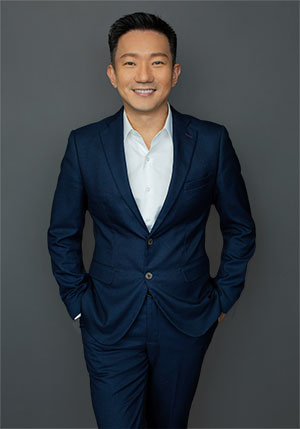
Medical Director & Consultant Plastic Surgeon
MBBS, MRCS, MMed, FAMS (Plastic Surgery)
Dr Jonah Kua is a Consultant Plastic Surgeon, with extensive experience in reconstructive and aesthetic plastic surgery. He previously served as the Head of the Plastic Surgery Service at Changi General Hospital, was the National Program Director in Plastic Surgery at Singapore General Hospital and played a pivotal role in setting up the Breast Reconstruction and Aesthetic Surgery services in Changi General Hospital (CGH). Dr Kua is also the recipient of dual fellowship awards in the United Kingdom and South Korea. At his practice, Dr Kua combines clinical expertise with a deep understanding of individual needs, aesthetic goals and medical history to achieve natural-looking and beautiful results.

Medical Director & Consultant Plastic Surgeon
MBBS, MRCS, MMed, FAMS (Plastic Surgery)
Dr Chia Hui Ling has undergone advanced fellowship training in plastic surgery in South Korea and the United Kingdom, bringing international expertise to reconstructive and aesthetic procedures. She has special interests in facial plastic surgery, facial rejuvenation, breast reconstruction and microsurgery, and is known for her meticulous attention to detail and personalised approach to patient care. By combining advanced surgical techniques with evidence-based practice, Dr Chia develops individualised treatment plans that prioritise safety, function and natural-looking outcomes for every patient.
How can we help?
