

Seeing a Ptosis Doctor: What to Expect
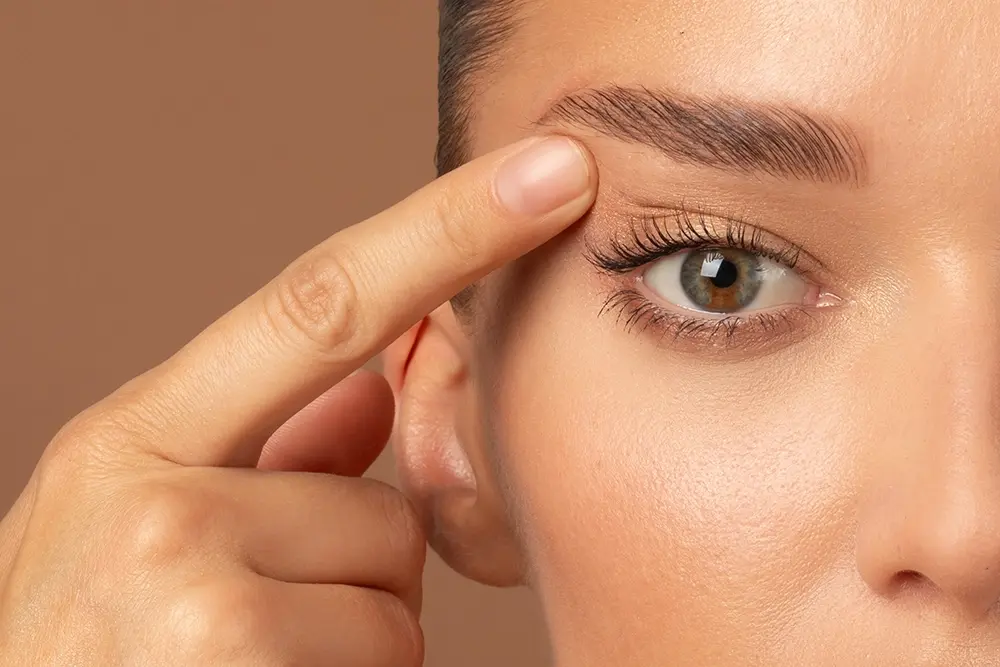


A consultation for droopy eyelids can feel unfamiliar or even intimidating, especially for patients who are unsure what the assessment will involve. Many people worry about whether their symptoms are serious, whether surgery may be needed, or what the doctor will be looking for during the examination.
In most cases, a ptosis consultation is a straightforward and non-invasive process focused on understanding the cause of the droopy eyelid and how it may be affecting vision or daily activities. Knowing what to expect during the appointment may help patients feel more prepared, informed, and reassured before seeking medical advice.
Why Might You Need To See A Ptosis Doctor?
Droopy eyelids, also known as ptosis, can affect more than appearance alone. In some cases, the eyelid may partially block vision, cause eye strain, or make daily activities such as reading or driving more difficult.
Some people notice that one eyelid sits lower than the other, while others may experience heaviness around the eyes or difficulty keeping the eyelids open throughout the day. Symptoms can develop gradually or become more noticeable over time.
You may consider seeing a ptosis doctor if you experience:
- Droopy eyelids affecting vision
- Difficulty keeping the eyes fully open
- Forehead strain from lifting the eyebrows
- Tired or heavy-feeling eyelids
- Uneven eyelid position
- Changes in appearance causing concern or discomfort
What Happens During A Ptosis Consultation?
A ptosis consultation is usually focused on evaluating eyelid position, muscle function, and whether the eyelid is affecting vision.
The doctor will begin by discussing your symptoms, medical history and any changes you have noticed over time. This may include questions about when the drooping started, whether it affects one or both eyes, and whether symptoms interfere with reading, driving, or other daily tasks.
An examination of the eyelids and eyes will then be performed to assess eyelid position, muscle function and how the eyelid may be affecting vision. In some cases, simple measurements or photographs may be taken to help document the severity of the ptosis.
Additional tests are not always necessary, but further assessment may sometimes be recommended if there are concerns about underlying muscle or nerve-related conditions. Most consultations are completed within a single clinic visit and the assessment process is generally painless.
How Is Ptosis Diagnosed And Treated?
Ptosis is diagnosed based on the appearance of the eyelid, eyelid muscle function and whether vision is being affected. The doctor will also consider factors such as age, medical history, symptom severity and whether the drooping involves one or both eyelids.
In some cases, ptosis may be mild and not require immediate treatment, especially if vision is unaffected. However, treatment may be recommended if the droopy eyelid interferes with daily activities, causes discomfort or continues to worsen over time.
Treatment options depend on the underlying cause of the ptosis and may include:
- Monitoring mild cases
- Managing underlying medical or neurological conditions
- Non-surgical support in selected situations
- Ptosis surgery to improve eyelid position and function
For patients considering surgery, the doctor will usually explain the expected outcome, recovery process and whether the procedure is intended to improve vision, appearance or both. Treatment plans are typically tailored to each patient's symptoms, eyelid anatomy and overall eye health.
How Can You Prepare For Your Appointment?
Preparing for a ptosis consultation is usually simple and does not require special preparation. Having a general understanding of your symptoms and medical history may help the doctor assess your condition more effectively during the visit.
Before the appointment, it may be helpful to note when the droopy eyelid first started, whether symptoms change throughout the day and whether vision or daily activities have been affected. Patients should also bring information about previous eye surgery, medical conditions, medications and any glasses or contact lens prescriptions if applicable.
Some people also find it reassuring to prepare questions in advance, particularly if they have concerns about treatment options, recovery or whether surgery may be necessary.
Discussing Your Concerns with a Ptosis Specialist
A ptosis consultation helps clarify the underlying cause of the droopy eyelid and guide appropriate treatment options. Knowing what to expect during the appointment may help patients feel more informed, reassured and prepared before seeking medical advice. Early assessment can also help guide appropriate treatment options and support better long-term eyelid function and visual comfort.
At Astrid Plastic Surgery, our team combines advanced surgical techniques with ethical, patient-centred care, ensuring every treatment plan is tailored to the individual's anatomy, symptoms and goals. Dr Jonah Kua and Dr Chia Hui Ling are consultant plastic surgeons with fellowship training and expertise in reconstructive and aesthetic plastic surgery, including facial procedures. They take a careful, evidence-based approach to ptosis assessment and treatment, with the aim of improving both eyelid function and appearance where appropriate. If you are concerned about droopy eyelids or would like a professional evaluation of your symptoms, consider arranging a consultation to discuss the most suitable treatment options for you.
FAQs About Ptosis Consultation
How long does a ptosis consultation usually take?
Can I ask about cosmetic concerns during a ptosis consultation?
Can I wear contact lenses to my ptosis consultation?
About Our Plastic Surgeons

Consultant Plastic Surgeon
MBBS, MRCS, MMed, FAMS (Plastic Surgery)
Dr Jonah Kua is a Consultant Plastic Surgeon, with extensive experience in reconstructive and aesthetic plastic surgery. He previously served as the Head of the Plastic Surgery Service at Changi General Hospital, was the National Program Director in Plastic Surgery at Singapore General Hospital and played a pivotal role in setting up the Breast Reconstruction and Aesthetic Surgery services in Changi General Hospital (CGH). Dr Kua is also the recipient of dual fellowship awards in the United Kingdom and South Korea. At his practice, Dr Kua combines clinical expertise with a deep understanding of individual needs, aesthetic goals and medical history to achieve natural-looking and beautiful results.

Consultant Plastic Surgeon
MBBS, MRCS, MMed, FAMS (Plastic Surgery)
Dr Chia Hui Ling has undergone advanced fellowship training in plastic surgery in South Korea and the United Kingdom, bringing international expertise to reconstructive and aesthetic procedures. She has special interests in facial plastic surgery, facial rejuvenation, breast reconstruction and microsurgery, and is known for her meticulous attention to detail and personalised approach to patient care. By combining advanced surgical techniques with evidence-based practice, Dr Chia develops individualised treatment plans that prioritise safety, function and natural-looking outcomes for every patient.
How can we help?
