
Eyelid Ptosis vs. Brow Ptosis: Differences Explained



Drooping around the eyes is not always caused by the same condition. In some cases, the heaviness may result from weakened eyelid muscles, while in others, it may be related to a lowering of the brow line that causes excess tissue to press downward over the eyes.
Because brow ptosis and eyelid ptosis can appear similar, many patients are unsure which area is contributing to their symptoms or appearance concerns. Understanding the differences between these conditions and their treatment approaches can help patients make more informed decisions when considering assessment or management options.
What's the Difference Between Brow Ptosis and Eyelid Ptosis?
Brow ptosis occurs when the eyebrows gradually descend below their normal position. As the brows lower, the skin and soft tissue above the eyes may begin to weigh down on the upper eyelids, creating a heavy or tired appearance. Some patients may also experience forehead strain from repeatedly lifting the brows to compensate.
Eyelid ptosis, by contrast, refers to drooping of the upper eyelid itself. This is commonly caused by weakening or stretching of the muscle responsible for lifting the eyelid. In more severe cases, the eyelid margin may partially obstruct vision.
Because both conditions can produce similar symptoms, including heaviness around the eyes, tired-looking eyes, or visual obstruction, it is not always easy to distinguish between them without a proper assessment. Some patients may also experience both brow ptosis and eyelid ptosis at the same time, which can further contribute to drooping around the eyes.
Brow Lift vs. Eyelid Ptosis Surgery
Although brow lift surgery and eyelid ptosis surgery are both intended to address heaviness around the eyes, they target different anatomical structures.
A brow lift is designed to address brow ptosis by repositioning eyebrows that have descended below their normal position. By lifting the brow line, the procedure may help reduce excess tissue over the upper eyelids and relieve forehead strain caused by constantly raising the brows.
Eyelid ptosis surgery, on the other hand, addresses the upper eyelid itself. The procedure is typically performed to improve the function of the muscle responsible for lifting the eyelid, helping improve eyelid position and eye opening.
Because both brow position and eyelid position contribute to the appearance and function of the upper face, some patients may benefit from a combination of procedures rather than a single treatment alone. Treatment recommendations are usually individualised according to facial anatomy, symptom severity, visual concerns, and aesthetic goals.
What Happens During Consultation for Brow or Eyelid Ptosis?
A consultation for brow or eyelid ptosis is primarily focused on identifying which structures are contributing to the drooping and whether vision or daily activities are being affected. Because brow position and eyelid function are closely related, both areas are typically assessed during the examination.
The doctor will begin by discussing your symptoms, medical history, and any concerns related to vision, heaviness around the eyes, or facial appearance. Patients may also be asked whether they experience forehead strain, difficulty keeping the eyes open, or worsening heaviness throughout the day.
During the examination, the doctor may assess:
- Brow position and symmetry
- Eyelid height and muscle function
- Facial movement and forehead compensation
- Visual obstruction caused by drooping tissue
- Overall balance of the upper face
Clinical photographs or simple measurements may also be taken to help document the condition and guide treatment planning.
Following the assessment, the doctor will explain whether the drooping is primarily related to the brows, the eyelids, or a combination of both.
Address Brow and Eyelid Drooping with Astrid Plastic Surgery
Brow ptosis and eyelid ptosis can produce similar symptoms, although they involve different anatomical causes and treatment approaches. Understanding whether the heaviness originates from the brows, the eyelids, or both is important in determining the most appropriate management plan. A professional assessment can help clarify the underlying cause and guide treatment options that support both visual function and natural-looking results.
At Astrid Plastic Surgery, the clinic combines advanced surgical techniques with careful facial assessment to support functional improvement while maintaining natural-looking, balanced results. Treatment is led by Consultant Plastic Surgeons Dr Jonah Kua and Dr Chia Hui Ling, who have extensive experience in eyelid surgery and facial procedures, with a strong emphasis on customised treatment approaches tailored to each patient's anatomy and goals. If you are concerned about drooping around the eyes or would like to better understand whether your symptoms originate from the brows or eyelids, consider arranging a consultation for a professional assessment by our specialists.
FAQs About Brow and Eyelid Ptosis Surgery
Is recovery different between a brow lift and ptosis (droopy eyelid) surgery?
Does brow ptosis affect men and women differently?
Is one condition more common than the other?
About Our Plastic Surgeons
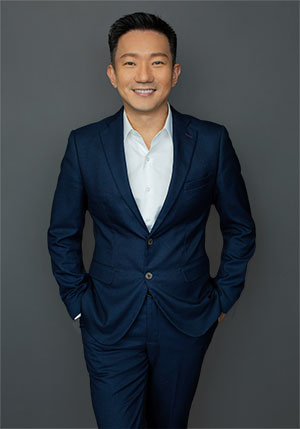
Consultant Plastic Surgeon
MBBS, MRCS, MMed, FAMS (Plastic Surgery)
Dr Jonah Kua is a Consultant Plastic Surgeon, with extensive experience in reconstructive and aesthetic plastic surgery. He previously served as the Head of the Plastic Surgery Service at Changi General Hospital, was the National Program Director in Plastic Surgery at Singapore General Hospital and played a pivotal role in setting up the Breast Reconstruction and Aesthetic Surgery services in Changi General Hospital (CGH). Dr Kua is also the recipient of dual fellowship awards in the United Kingdom and South Korea. At his practice, Dr Kua combines clinical expertise with a deep understanding of individual needs, aesthetic goals and medical history to achieve natural-looking and beautiful results.

Consultant Plastic Surgeon
MBBS, MRCS, MMed, FAMS (Plastic Surgery)
Dr Chia Hui Ling has undergone advanced fellowship training in plastic surgery in South Korea and the United Kingdom, bringing international expertise to reconstructive and aesthetic procedures. She has special interests in facial plastic surgery, facial rejuvenation, breast reconstruction and microsurgery, and is known for her meticulous attention to detail and personalised approach to patient care. By combining advanced surgical techniques with evidence-based practice, Dr Chia develops individualised treatment plans that prioritise safety, function and natural-looking outcomes for every patient.
How can we help?
