
When Is Upper Eyelid Surgery Suitable for Heavy Eyelids?


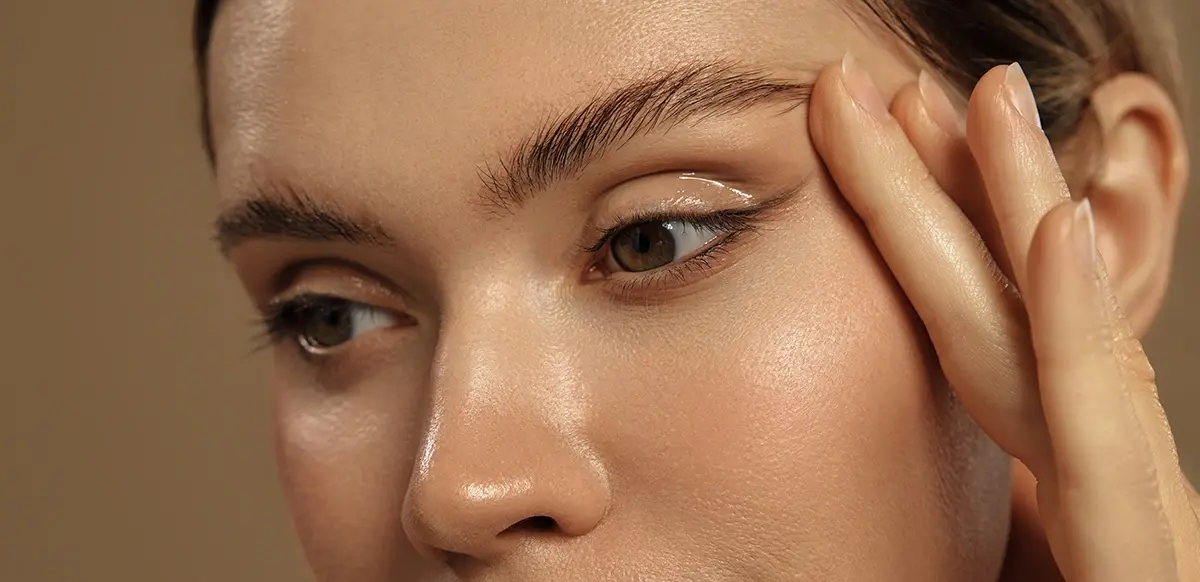
Determining when upper eyelid surgery is suitable often begins with understanding the physical sensation of heavy lids. This feeling is typically caused by a combination of excess skin, known medically as dermatochalasis, and protruding fat pads that weigh down the eyelid structure. While many associate these changes with the natural ageing process and a loss of skin elasticity, some individuals are genetically predisposed to heavier eyelid anatomy from a younger age.
Beyond the physical weight, heavy lids have a significant visual impact. They also often create a perpetually tired, somber, or even angry appearance that does not improve with rest. By addressing these structural concerns, surgery can restore a more alert and refreshed aesthetic while alleviating the literal burden of redundant tissue.
Clinical Indicators for Surgery
Determining the suitability for upper eyelid surgery involves identifying specific clinical signs that indicate the eyelids are no longer functioning or appearing as they should. These include:
Interference with the Superior Visual Field
: When skin hangs low enough to drape over the eyelashes, it can obstruct the upper peripheral vision. This functional impairment often makes daily activities like driving or reading more difficult as the visual field becomes physically restricted.Subconscious Compensatory Habits
: Many individuals with heavy lids develop a habit of constantly straining their eyebrows or forehead muscles to lift the excess weight. Over time, this repetitive muscle action may lead to deep forehead wrinkling and persistent tension headaches or eye fatigue by the end of the day.Clinical Evaluation and the Pinch Test
: During a specialist assessment, a surgeon may perform a pinch test to determine the exact amount of redundant skin available for removal. This evaluation also checks the strength of the underlying levator muscle to ensure the heaviness isn't being caused by a separate muscle weakness.
Surgical Techniques for Upper Eyelid Correction
Modern surgical techniques for upper eyelid correction are designed to achieve a balance between functional clearance and a refined, natural aesthetic. This is done through:
The Incisional Approach
: Creating a precise incision within the natural crease remains the gold standard for accessing and removing redundant skin and fat. This strategic placement ensures that the resulting fine line is well-concealed whenever the eyes are open.Addressing the Levator Muscle
: In cases where heavy lids are compounded by muscle weakness, a surgeon may also perform <a href="/our-services/ptosis-correction-surgery/">ptosis correction</a> during the same procedure. This involves tightening the levator muscle to ensure the eyelid sits at a more functional and youthful height.Skin Excision vs. Fat Repositioning
: Current surgical philosophy prioritises natural contouring over simply pulling the skin tight to avoid a hollowed or startled look. By selectively removing or repositioning fat pads, the surgeon can restore a healthy fullness while eliminating the actual weight of the lid.
Determining Candidacy and Timing
Establishing the right timing for upper eyelid surgery is essential, as the procedure must be tailored to both the biological readiness of the tissue and the unique structural anatomy of the individual.
When scheduling your surgery, here's what to keep in mind:
Ideal Candidates and Ocular Health
: Beyond simply having heavy lids, suitability depends on a patient's overall eye health and skin quality. Addressing pre-existing conditions, such as chronic dry eye or inflammation, is a necessary precursor to surgery to ensure the eye remains comfortable and protected throughout the healing phase.The Influence of Underlying Bone Structure
: A successful surgical plan must account for the unique positioning of the brow and the depth of the orbital bone relative to the eyelid. Because facial anatomy varies significantly, a one-size-fits-all crease height is avoided in favour of a bespoke approach that complements the patient's existing skeletal framework.The Importance of Appropriate Surgical Timing
: Determining the right timing for surgery involves assessing the degree of skin laxity, functional impairment, and overall facial anatomy. Once excess tissue and eyelid heaviness become more pronounced, surgery can be planned more precisely to achieve balanced, natural-looking, and long-lasting results.
Recovery and Long-Term Maintenance
While a successful surgery is important, proper recovery and long-term care are also essential in ensuring that the results of upper eyelid surgery remain crisp and natural for years to come.
During the recovery phase, make sure to practice the following:
The Critical First 48 Hours
: The immediate post-operative period focuses on managing swelling through the frequent use of cold compresses and keeping the head elevated. Prioritising rest during this window is vital for maintaining incision integrity and preventing unnecessary strain on the delicate eye area.Timeline for Final Refinement
: While initial bruising typically subsides within the first week, patients must manage expectations regarding residual swelling. It can often take several weeks, or even a few months, for the tissue to fully settle and reveal the final, refined eyelid crease.Protecting and Maintaining Results
: Maintaining the surgical outcome requires a commitment to long-term skin health, specifically through consistent sun protection to prevent UV-induced skin laxity. Incorporating medical-grade skincare and avoiding excessive eye rubbing will further help preserve the elasticity of the newly contoured lids.

A Personalised Approach to Correcting Heavy Eyelids
Determining when upper eyelid surgery is suitable involves a careful balance of aesthetic desires and functional needs. Whether your goal is to clear a restricted visual field or simply to restore a more youthful, alert expression, the procedure offers a definitive solution for the weight of excess skin and fat.
At Astrid Plastic Surgery, we believe that every procedure should be as unique as the individual. Consultant Plastic Surgeons Dr Jonah Kua and Dr Chia Hui Ling combine extensive surgical expertise with a meticulous understanding of eyelid anatomy to ensure results that are both beautiful and functional.
To find out if you're a candidate for this procedure, book an appointment with us today and begin your journey toward a more refreshed appearance.
Frequently Asked Questions (FAQs) About Upper Eyelid Surgery
Is my eyelid heaviness caused by excess skin or a sagging brow?
Will the surgical incision leave a visible scar?
Can heavy eyelids recur years after surgery?
About Our Plastic Surgeons

Medical Director & Consultant Plastic Surgeon
MBBS, MRCS, MMed, FAMS (Plastic Surgery)
Dr Jonah Kua is a Consultant Plastic Surgeon, with extensive experience in reconstructive and aesthetic plastic surgery. He previously served as the Head of the Plastic Surgery Service at Changi General Hospital, was the National Program Director in Plastic Surgery at Singapore General Hospital and played a pivotal role in setting up the Breast Reconstruction and Aesthetic Surgery services in Changi General Hospital (CGH). Dr Kua is also the recipient of dual fellowship awards in the United Kingdom and South Korea. At his practice, Dr Kua combines clinical expertise with a deep understanding of individual needs, aesthetic goals and medical history to achieve natural-looking and beautiful results.

Medical Director & Consultant Plastic Surgeon
MBBS, MRCS, MMed, FAMS (Plastic Surgery)
Dr Chia Hui Ling has undergone advanced fellowship training in plastic surgery in South Korea and the United Kingdom, bringing international expertise to reconstructive and aesthetic procedures. She has special interests in facial plastic surgery, facial rejuvenation, breast reconstruction and microsurgery, and is known for her meticulous attention to detail and personalised approach to patient care. By combining advanced surgical techniques with evidence-based practice, Dr Chia develops individualised treatment plans that prioritise safety, function and natural-looking outcomes for every patient.
How can we help?
