

How Surgeons Decide the Degree of Epicanthoplasty



Understanding the longevity of an epicanthoplasty begins with addressing the common misconception that the procedure follows a standard template. However, rather than applying a uniform cut to every patient, true treatment success involves individualised adjustment of the medial canthus to physically refine the inner corner of the eye.
This decision exists on a spectrum between natural and dramatic results, where the final degree of opening is a calculated choice tied directly to the patient's existing facial proportions. By carefully evaluating the balance of the features, a surgeon determines the degree of lacrimal caruncle exposure, ensuring the structural reset remains harmonious with the rest of the face.
Evaluating the Severity of the Epicanthal Fold
To achieve a balanced result, the surgeon evaluates the anatomical characteristics of the epicanthal fold and the degree to which it obscures the inner eye. This assessment is typically described along a spectrum of mild, moderate, to severe presentation:
Mild Epicanthal Fold
: A subtle skin fold partially overlaps the medial canthus, with most of the lacrimal caruncle visible. The inner eye corner remains well-defined and minimally obscured.Moderate Epicanthal Fold
: The fold more noticeably covers the medial canthus and partially obscures the lacrimal caruncle, contributing to a shortened or less defined appearance of the inner eye corner.Severe Epicanthal Fold
: The fold significantly covers the medial canthus and lacrimal caruncle, often extending toward the lower eyelid and creating a more compressed appearance of the inner eye region.
Beyond visible severity, the surgeon also assesses skin redundancy, fold direction, and tissue tension along the medial canthal area. These factors help determine whether a conservative skin release or a more complex flap-based technique is appropriate to achieve adequate fold reduction while maintaining natural contour and avoiding excessive tension.
Balancing the Intercanthal Distance
The precise calibration of the intercanthal distance is fundamental to achieving facial symmetry and a balanced eye shape. This process often begins with the rule of fifths, an aesthetic principle where the face is vertically divided into five equal segments, for assessment. Ideally, the space between the inner corners of the eyes should roughly equal the width of one eye to ensure a proportionate and harmonious facial profile.
Additionally, beyond simple proportions, adjusting this distance is critical for correcting the appearance of false esotropia. A prominent epicanthal fold often creates an optical illusion where the eyes seem misaligned or cross-eyed due to the lack of visible inner corner tissue. A surgeon can both effectively resolve this illusion and widen the visual field of the eye.
Coordination with Double Eyelid Surgery
The coordination between an epicanthoplasty and double eyelid surgery is essential for defining the overall flow and character of the eye. This integration typically focuses on two primary structural elements:
The In-Fold vs. Out-Fold Transition
: An epicanthoplasty can influence how the double eyelid crease connects to the inner corner of the eye. By adjusting the fold, a surgeon can create an in-fold where the crease starts hidden within the corner, or an out-fold where the crease runs parallel and separate from the lash line for a more dramatic result.<br />Creating a Seamless Crease
: To achieve a cohesive result, the degree of the inner corner opening must be precisely matched to the height and shape of the pretarsal crease. If these two elements are not aligned, the transition can appear fragmented or unnatural, making a smooth, continuous fold a priority for a balanced aesthetic.
Assessing Nasal Bridge Height and Facial Depth
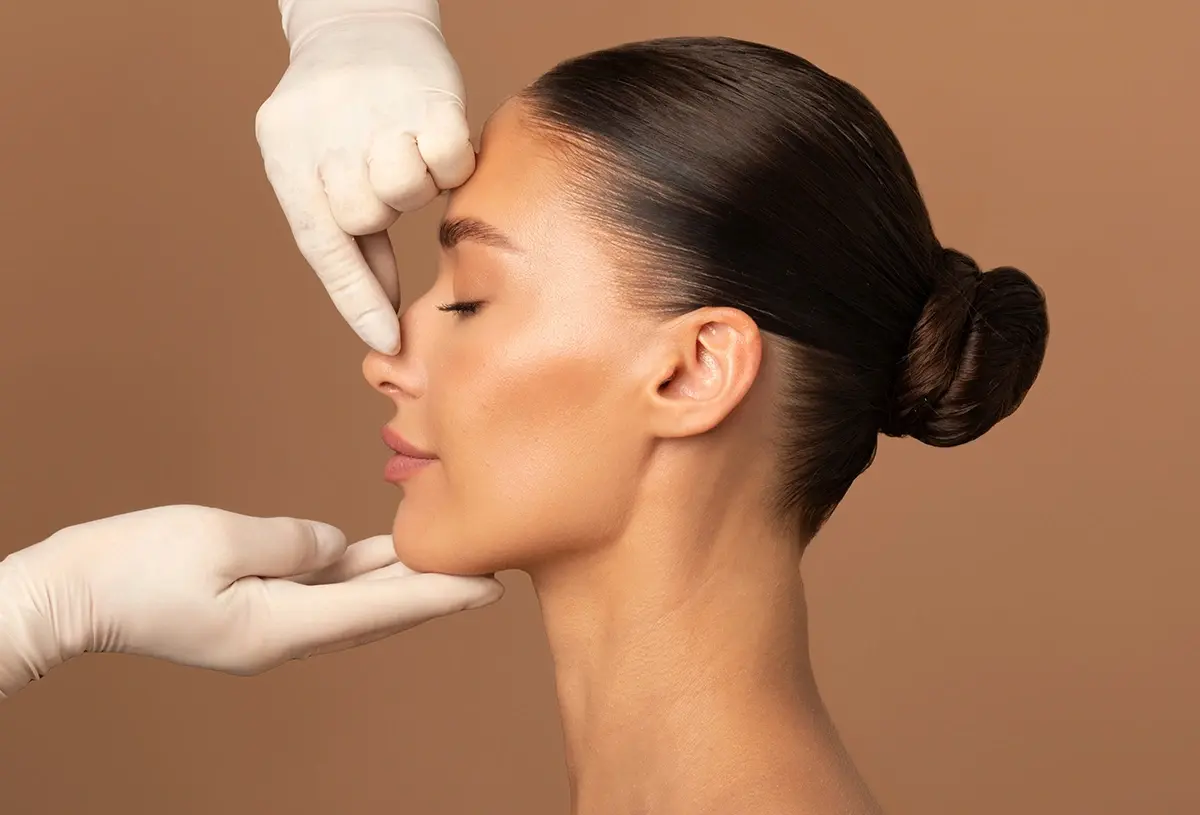
Aside from the preceding structural factors, the height of the nasal bridge also greatly impacts the amount of skin tension present at the inner corners of the eyes. For patients with a lower rhinion, there is often more skin laxity available for redistribution, whereas a high nasal bridge can affect visual perception and medial facial contour. A surgeon must evaluate this tension to decide how much of the epicanthal fold can be safely released without causing excessive stretching.
Additionally, beyond surface tension, the underlying skeletal support is critical for ensuring the new eye shape aligns with the mid-face profile. Surgeons must examine the orbital bone structure to determine how the elongated eye will look from a profile view and in relation to the depth of the eye sockets. This anatomical assessment prevents the result from appearing too flat or disconnected from the natural contours of the face.
Clinical Constraints: Skin Quality and Scar Management
The final determination of the surgical degree is often limited by the patient's biological healing capacity and the underlying tissue structure. To ensure a clean recovery, a surgeon must navigate the following clinical constraints:
Skin Thickness
: Patients with thicker skin have a higher risk of forming prominent scars, which often necessitates a more conservative opening to keep incisions within the natural ocular contours.<br />Tissue Elasticity
: High skin tension or poor elasticity can cause the inner corner to pull during healing, potentially distorting the shape if the initial correction is too aggressive.<br />Lacrimal Caruncle Exposure
: Over-exposing the pink inner tissue can lead to a hollowed or perpetually irritated appearance, making a measured approach vital for maintaining a natural look.<br />Scar Placement
: The degree of the cut is strategically limited to areas where the resulting fine line can be hidden by the shadow of the nasal bridge or the new eyelid crease.
Achieving Aesthetic Symmetry at Astrid Plastic Surgery
Determining the ideal degree of an epicanthoplasty is a nuanced process that balances mathematical proportions with the unique biological constraints of each patient. By carefully evaluating factors such as fold severity, intercanthal distance, and skin elasticity, a surgeon can create an eye shape that appears naturally elongated and refreshed.
At Astrid Plastic Surgery, our goal is to ensure that every medial canthal adjustment is meticulously planned to complement your existing facial features. Dr Jonah Kua and Dr Chia Hui Ling provide personalised clinical assessments to help patients understand the most effective approach for their specific anatomy.
If you're considering an epicanthoplasty or double eyelid surgery and wish to achieve a more balanced appearance, get in touch with us to book a consultation today.
Frequently Asked Questions (FAQs) About Epicanthoplasties
How do I know if I need a medial or lateral epicanthoplasty?
Will a more significant epicanthoplasty increase the risk of visible scarring?
Is it possible to reverse an epicanthoplasty if too much of the inner corner is exposed?
About Our Plastic Surgeons
Medical Director & Consultant Plastic Surgeon
MBBS, MRCS, MMed, FAMS (Plastic Surgery)
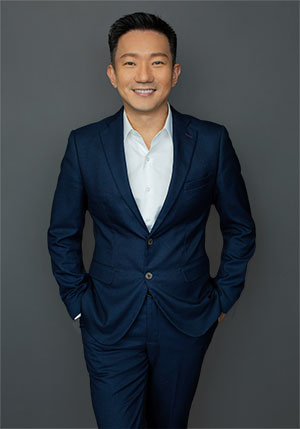
Dr Jonah Kua is a Consultant Plastic Surgeon, with extensive experience in reconstructive and aesthetic plastic surgery. He previously served as the Head of the Plastic Surgery Service at Changi General Hospital, was the National Program Director in Plastic Surgery at Singapore General Hospital and played a pivotal role in setting up the Breast Reconstruction and Aesthetic Surgery services in Changi General Hospital (CGH). Dr Kua is also the recipient of dual fellowship awards in the United Kingdom and South Korea. At his practice, Dr Kua combines clinical expertise with a deep understanding of individual needs, aesthetic goals and medical history to achieve natural-looking and beautiful results.

Medical Director & Consultant Plastic Surgeon
MBBS, MRCS, MMed, FAMS (Plastic Surgery)
Dr Chia Hui Ling has undergone advanced fellowship training in plastic surgery in South Korea and the United Kingdom, bringing international expertise to reconstructive and aesthetic procedures. She has special interests in facial plastic surgery, facial rejuvenation, breast reconstruction and microsurgery, and is known for her meticulous attention to detail and personalised approach to patient care. By combining advanced surgical techniques with evidence-based practice, Dr Chia develops individualised treatment plans that prioritise safety, function and natural-looking outcomes for every patient.
How can we help?
