
How Can Surgery Help Saggy Eyelids and Excess Skin?
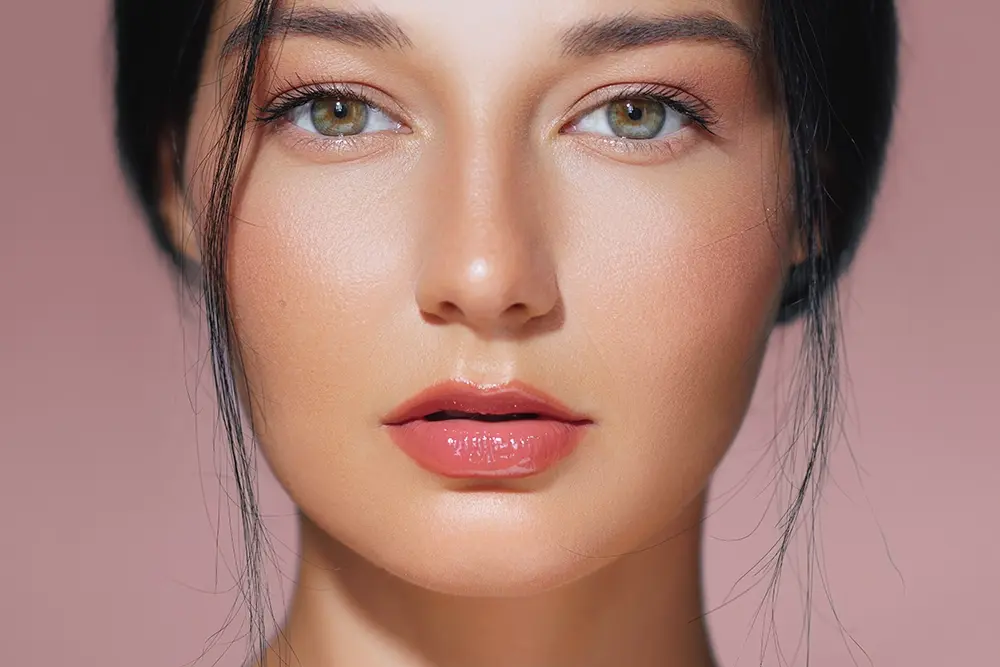

Sagging eyelids are not always caused by excess skin alone. Changes in skin elasticity, muscle support, tissue position, and brow anatomy can all contribute to heaviness around the eyes over time. These changes may create a tired appearance, upper eyelid fullness, or even interfere with the upper field of vision in some individuals.
Modern eyelid surgery techniques are designed to address these concerns in a personalised way, with the aim of improving eyelid contour and restoring a more refreshed appearance while maintaining natural facial expression. Understanding how these procedures work may help patients make more informed decisions when considering treatment for sagging eyelids and excess skin around the eyes.
What Causes Saggy Eyelids?
Several anatomical changes can contribute to heaviness and drooping around the eyes over time. Depending on the individual, the concern may be related to excess upper eyelid skin, weakened support tissues, brow descent, or a combination of factors.
Common contributors include:
- Loss of skin elasticity
- Excess upper eyelid skin
- Weakening of eyelid support tissues
- Fat redistribution around the eyes
- Descending brows creating upper eyelid heaviness
- Genetic and facial structural factors
- Lifestyle influences such as sun exposure and smoking
Because multiple structures around the eyes affect eyelid appearance, a proper assessment is important in determining which areas may benefit from treatment.
How Can Eyelid Surgery Improve Sagging Eyelids?
Upper eyelid surgery is designed to reduce heaviness around the eyes by removing or repositioning excess tissue contributing to a tired or aged appearance. Modern blepharoplasty techniques focus on creating smoother eyelid contours while preserving natural eyelid movement and overall facial balance.
Depending on the patient's anatomy and concerns, surgery may involve:
- Removing excess upper eyelid skin
- Tightening or repositioning weakened tissues
- Reducing puffiness caused by protruding fat
- Improving obstruction affecting the upper field of vision
- Refining the natural crease and contour of the eyelids
In addition to cosmetic improvement, some patients may also experience functional benefits after surgery, particularly when excess skin contributes to heaviness or obstruction of the upper visual field.
What Modern Techniques Are Used for Eyelid Rejuvenation?
Modern eyelid rejuvenation techniques focus on improving heaviness and excess skin around the eyes while maintaining natural eyelid function and facial harmony. Many current approaches emphasise conservative tissue management tailored to each patient's anatomy and treatment goals.
Conservative Skin Removal
One important advancement in upper eyelid surgery is conservative skin excision, where excess skin is carefully removed without over-tightening the eye area. This approach may help preserve natural eyelid movement and reduce the risk of a hollow or overcorrected appearance.
Tissue-Preserving Techniques
Modern procedures may also involve repositioning or preserving tissue around the eyes instead of removing large amounts of fat or skin. In selected cases, fat around the eyelids may be redistributed to create smoother and softer contours.
Precise Incision Placement
Incisions are typically hidden within the natural eyelid crease to make scars less noticeable as healing progresses. Careful incision placement also helps maintain natural eyelid contours after surgery.
Combination Procedures
Some patients may benefit from combining eyelid surgery with ptosis (droopy eyelids) correction or lower eyelid surgery (eye bag surgery) when multiple factors contribute to heaviness around the eyes. Treatment plans are usually customised to achieve balanced and natural-looking results.
What Can You Expect During Recovery?
Recovery after eyelid surgery is usually gradual, with temporary swelling, bruising, and mild tightness around the eyes during the early healing period. Recovery timelines can vary depending on the extent of surgery performed and each patient's individual healing response.
During the first few days after surgery, patients are generally advised to rest and follow post-operative care instructions carefully. Swelling and bruising typically improve progressively over the following weeks, while incision lines continue to fade over time.
Most patients are able to return to light daily activities relatively soon after surgery, although strenuous exercise and activities that place pressure around the eyes may need to be avoided temporarily.
Throughout recovery, follow-up appointments help monitor healing and ensure the eyelids are recovering appropriately. As swelling gradually settles, patients often notice a smoother and more refreshed appearance around the eyes while maintaining natural facial expression.
Address Sagging Eyelids and Excess Skin with Astrid Plastic Surgery
Sagging eyelids can develop due to a combination of excess skin, weakened support structures, and age-related changes around the eyes. Modern eyelid surgery techniques are designed to address these concerns with a focus on natural-looking results, facial balance, and preservation of normal eyelid function. A personalised assessment can help determine which treatment approaches may best support a more refreshed and rested appearance.
At Astrid Plastic Surgery, patients receive personalised assessment and treatment planning for concerns related to sagging eyelids, excess skin and heaviness around the eyes. Treatment is led by Consultant Plastic Surgeons Dr Jonah Kua and Dr Chia Hui Ling, who have extensive experience in reconstructive and aesthetic plastic surgery. Schedule a consultation if you are concerned about sagging eyelids or would like to better understand the available options for eyelid skin tightening and rejuvenation.
FAQs About Saggy Eyelid Surgery and Skin Tightening
Is saggy eyelid surgery the same as blepharoplasty?
Will eyelid surgery leave visible scars?
How long do eyelid surgery results usually last?
About Our Plastic Surgeons
Consultant Plastic Surgeon
MBBS, MRCS, MMed, FAMS (Plastic Surgery)
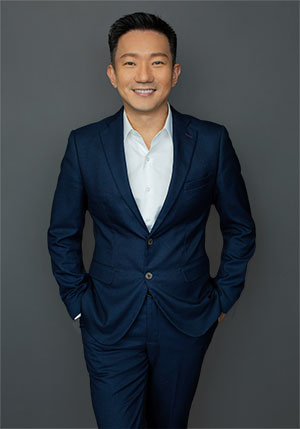
Dr Jonah Kua is a Consultant Plastic Surgeon, with extensive experience in reconstructive and aesthetic plastic surgery. He previously served as the Head of the Plastic Surgery Service at Changi General Hospital, was the National Program Director in Plastic Surgery at Singapore General Hospital and played a pivotal role in setting up the Breast Reconstruction and Aesthetic Surgery services in Changi General Hospital (CGH). Dr Kua is also the recipient of dual fellowship awards in the United Kingdom and South Korea. At his practice, Dr Kua combines clinical expertise with a deep understanding of individual needs, aesthetic goals and medical history to achieve natural-looking and beautiful results.

Consultant Plastic Surgeon
MBBS, MRCS, MMed, FAMS (Plastic Surgery)
Dr Chia Hui Ling has undergone advanced fellowship training in plastic surgery in South Korea and the United Kingdom, bringing international expertise to reconstructive and aesthetic procedures. She has special interests in facial plastic surgery, facial rejuvenation, breast reconstruction and microsurgery, and is known for her meticulous attention to detail and personalised approach to patient care. By combining advanced surgical techniques with evidence-based practice, Dr Chia develops individualised treatment plans that prioritise safety, function and natural-looking outcomes for every patient.
How can we help?
