
What Changes Can Happen to Breast Implants Over Time?
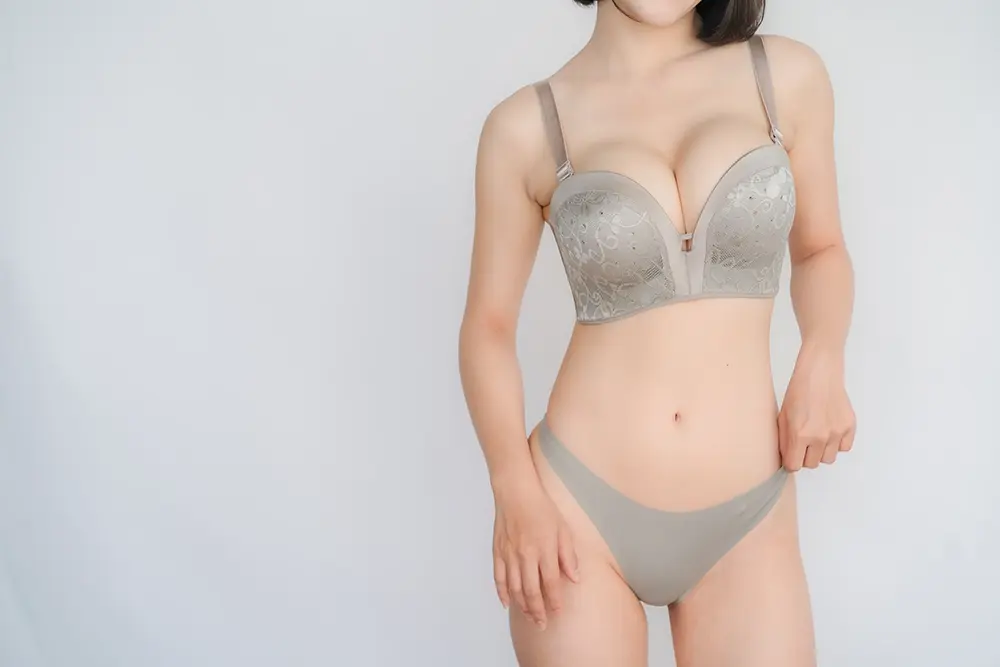


Breast implants can experience subtle or major changes in shape, firmness and position over time. While implants themselves are designed to be durable, these changes are caused by the surrounding breast tissue, skin and chest muscles continuing to age over time. These can be further caused by weight fluctuations, pregnancy and hormonal changes.
These changes do not always mean there is a problem with the implants, but they can affect how the breasts look and feel over time. Understanding the causes of these changes can help a patient understand when they may want to consult their cosmetic surgeon for revision surgery.
Key Takeaways
- Breast implants can look different over time as skin and breast tissue naturally age.
- Weight changes, pregnancy and menopause can affect breast shape and implant appearance.
- Implants may shift position as surrounding tissue loses support.
- Some patients choose revision surgery due to cosmetic changes or implant-related concerns.
Why Does Skin Elasticity Loss Cause Sagging After Implants?
As skin loses elasticity, breast tissue may begin to sag, and implants can appear lower on the chest, thus making them appear more noticeable or less supported than before. This loss of elasticity is because collagen and elastin, two substances responsible for skin flexibility, gradually decrease in amount with age.
Gravity also affects the breasts over time. Even when implants remain intact, the surrounding tissue and skin may stretch after many years. Larger implants can sometimes place additional weight on the breast tissue, which may contribute to sagging in some patients.
Why Do Weight Changes Affect How Implants Look?
Weight loss may reduce breast volume, which can make implants appear more prominent or increase visible rippling in some cases. Weight gain can also affect breast appearance by stretching the skin and increasing breast size. If the skin stretches significantly, the breasts may not fully return to their previous shape after weight loss.
Rapid or repeated weight changes can have a greater effect on breast skin and tissue support over time. This may alter breast symmetry, shape and how the implants sit within the breast pocket.
Why Do Pregnancy and Hormonal Changes Affect Implant Appearance?
Pregnancy causes the breasts to enlarge as milk glands and breast tissue develop. This stretches the skin and surrounding tissue, which can change how implants sit within the breasts.
After pregnancy and breastfeeding, breast volume often decreases again. Some women notice sagging, reduced upper breast fullness or changes in implant position following these changes.
Hormonal shifts during menopause can also affect breast tissue. Lower oestrogen levels may reduce skin firmness and breast density, leading to thinner tissue and less natural support around the implants.
How Can Breast Implant Revision Surgery Help?
Breast implant revision surgery is performed to address changes in implant appearance, implant-related concerns or changes in personal preference over time. Some patients choose revision surgery because their breasts no longer look or feel the way they did after their original procedure.
Revision surgery can involve replacing implants, removing implants or adjusting the implant pocket to improve breast shape and position. In some cases, a breast lift may also be recommended if there is significant sagging or stretched skin.
Patients may also consider revision surgery if complications develop. These can include capsular contracture, implant rupture, implant displacement or visible rippling. Revision procedures aim to restore comfort, improve symmetry and achieve a more balanced appearance.
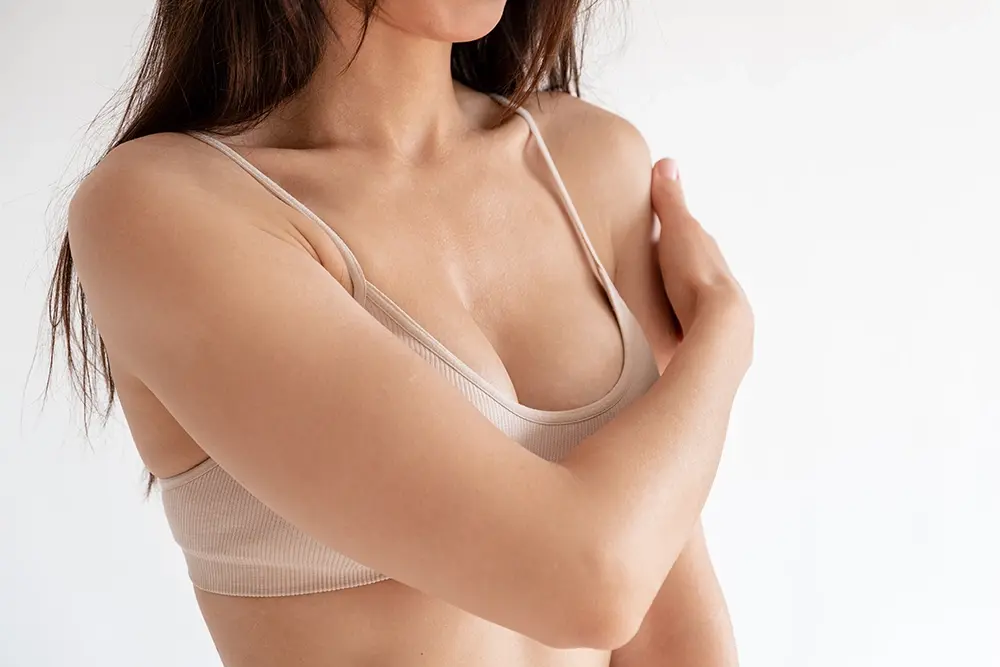
How Do Plastic Surgeons Carry Out Breast Revision Surgery?
Breast revision surgery should be carefully planned around the patient's anatomy, implant condition and long-term goals. Every patient experiences breast changes differently over time, which is why a personalised consultation is an important part of the revision process.
During consultation, a plastic surgeon will assess factors such as implant position, skin quality, breast tissue thickness and overall breast shape. This helps determine whether implant replacement, implant removal, pocket adjustment or a breast lift may be the most suitable approach.
At Astrid Plastic Surgery, treatment is led by Consultant Plastic Surgeons Dr Jonah Kua and Dr Chia Hui Ling, who take a thorough and meticulous approach to surgical planning. Rather than relying on a one-size-fits-all method, each procedure is carefully tailored to the individual's concerns, anatomy and desired outcome.
This personalised approach helps patients achieve results that look balanced, natural and proportionate.
If you are considering breast revision surgery or would like to better understand changes in your implants over time, contact us today to find out more.
Frequently Asked Questions (FAQs) About Breast Implants
Does everyone with breast implants eventually need revision surgery?
How do I know if changes in my breasts are normal ageing or implant-related?
Can exercise or chest muscle changes affect implant position over time?
Can sleeping position or posture affect breast implants over time?
About Our Plastic Surgeons
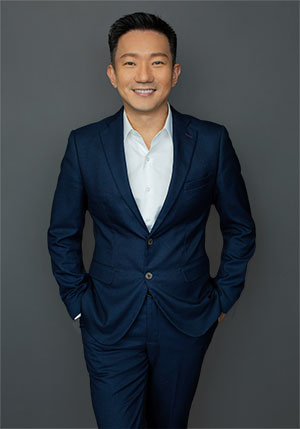
Consultant Plastic Surgeon
MBBS, MRCS, MMed, FAMS (Plastic Surgery)
Dr Jonah Kua is a Consultant Plastic Surgeon, with extensive experience in reconstructive and aesthetic plastic surgery. He previously served as the Head of the Plastic Surgery Service at Changi General Hospital, was the National Program Director in Plastic Surgery at Singapore General Hospital and played a pivotal role in setting up the Breast Reconstruction and Aesthetic Surgery services in Changi General Hospital (CGH). Dr Kua is also the recipient of dual fellowship awards in the United Kingdom and South Korea. At his practice, Dr Kua combines clinical expertise with a deep understanding of individual needs, aesthetic goals and medical history to achieve natural-looking and beautiful results.

Consultant Plastic Surgeon
MBBS, MRCS, MMed, FAMS (Plastic Surgery)
Dr Chia Hui Ling has undergone advanced fellowship training in plastic surgery in South Korea and the United Kingdom, bringing international expertise to reconstructive and aesthetic procedures. She has special interests in facial plastic surgery, facial rejuvenation, breast reconstruction and microsurgery, and is known for her meticulous attention to detail and personalised approach to patient care. By combining advanced surgical techniques with evidence-based practice, Dr Chia develops individualised treatment plans that prioritise safety, function and natural-looking outcomes for every patient.
How can we help?
