
Why Do Some People Still Look Sleepy After Treating Eye Bags?
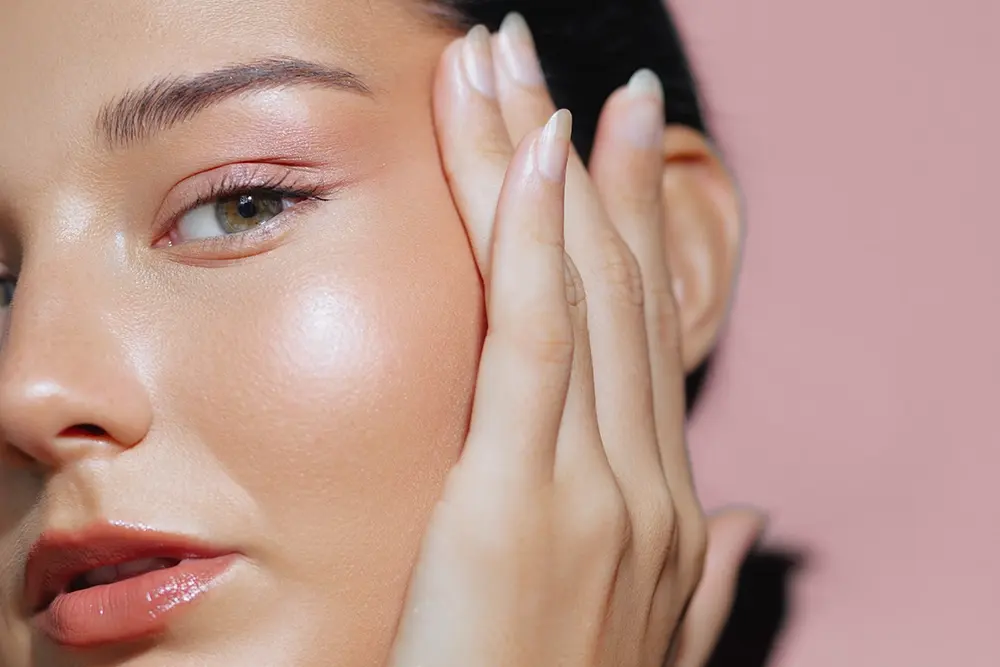


Some people may still be affected by a perpetually tired look, even after a successful lower eyelid surgery (blepharoplasty), because a fatigued-looking appearance is not always caused by eye bags alone. Other surrounding features of the eyes and face, such as brow positions, upper eyelids or overall facial balance, can also contribute to a heavy, sleepy or worn-out look.
Learning more about these underlying factors can help patients understand when they may need further assessment and how their eyelid surgeons can keep working towards a balanced, refreshed and natural-looking result.
Key Takeaways
- Treating eye bags alone may not fully correct a tired or sleepy appearance if other facial features are contributing factors.
- Conditions such as ptosis (drooping upper eyelids), low brow position and midface hollowing can continue to create heaviness around the eyes after lower eyelid surgery.
- Facial balance, eyelid symmetry and surrounding facial structures all play a role in how refreshed the eyes appear.
- A comprehensive assessment by an experienced eyelid surgeon can help identify whether additional procedures or treatments may improve overall results.
- Personalised surgical planning helps support more balanced, natural-looking outcomes in cosmetic eyelid surgery.
What Traits Can Cause a Tired Appearance?
Although eye bags are a common cause of tired-looking eyes, they are not always the only contributing factor. In some patients, neighbouring structures around the eyes and midface can create heaviness, shadowing or a sleepy appearance even after lower eyelid surgery. Lower eyelid surgery primarily targets puffiness and excess tissue beneath the eyes, but it may not address every feature affecting the overall eye area.
Drooping Upper Eyelids (Ptosis)
Ptosis occurs when the upper eyelids droop lower than normal due to weakening of the muscles responsible for lifting the eyelids. This can make the eyes appear smaller, heavier or less alert, contributing to a persistently sleepy appearance despite improvement in the lower eyelids.
Low Brow Position
As the brows descend over time due to ageing and skin laxity, excess weight may press down on the upper eyelids and create a hooded or fatigued appearance. In some patients, brow position rather than the eye bags themselves may be a major contributor to heaviness around the eyes.
Midface Volume Loss and Hollowing
A loss of facial volume in the cheeks and under-eye region can create hollowness and deeper shadows beneath the eyes. Even after eye bag surgery reduces puffiness, the eyes may still appear tired if there is insufficient midface support or prominent hollowing near the tear trough.
Facial Asymmetry and Overall Facial Balance
Natural differences in facial symmetry, eyelid height or volume distribution between both sides of the face can affect how refreshed or tired a person appears. Achieving a natural-looking result often involves evaluating the balance between the eyes, brows and surrounding facial features rather than focusing only on the eye bags themselves.
What Cosmetic Eyelid Surgery Options Can Address These Causes?
Depending on the underlying cause of the tired appearance, different surgical or non-surgical treatments may be considered as part of a personalised treatment plan.
Ptosis (Droopy Eyelids) Correction
For patients with drooping upper eyelids, ptosis correction may help improve eyelid position and create a more awake and alert appearance by strengthening or repositioning the muscles that lift the eyelids.
Brow Lift
A brow lift may be considered when low or descended brows are contributing to heaviness around the upper eyelids. Elevating the brow position can help reduce hooding and improve the overall openness of the eye area.
Facial Contouring or Facial Beautification
For patients with midface hollowing or reduced cheek support, procedures such as facial contouring or non-surgical facial beautification may help restore balance and soften shadowing around the eyes.
Upper Eyelid Surgery
Upper eyelid surgery may be recommended when excess upper eyelid skin contributes to a heavy or fatigued appearance. Removing or repositioning excess tissue can help create a more refreshed-looking eye contour.
Eyelid Fillers
In some patients, eyelid fillers may help improve hollowing beneath the eyes or smooth the transition between the lower eyelid and cheek, reducing the appearance of shadows and fatigue.
When Should You See an Eyelid Surgeon for a Persistent Tired Look?
If you are worried about a persistently tired appearance, you may want to consult an eyelid surgeon for a more comprehensive assessment. Rather than focusing only on the lower eyelids, an eyelid surgeon can evaluate the relationship between the upper eyelids, brows, cheeks and overall facial symmetry to identify other contributing factors affecting the eye area.
A tailored assessment can help determine whether concerns such as ptosis, brow descent, hollowing or facial imbalance may also be contributing to the persistent sleepy appearance. Through these assessments, an experienced cosmetic surgeon can consider the impact of these features together and create a more personalised surgical plan. This helps them to plan out how to address the eye area more holistically and reduce the likelihood of requiring multiple revision procedures later on.

Achieving a Refreshed Appearance with Personalised Care
By identifying potential concerns early, your eyelid surgeon may be able to come up with a personalised care plan that helps them account for multiple underlying causes at once. This greater support of facial harmony can help patients attain a refreshed and alert appearance.
At Astrid Plastic Surgery, care is led by Consultant Plastic Surgeons Dr Jonah Kua and Dr Chia Hui Ling, who carry out meticulously planned surgical procedures based on each patient's facial structure, aesthetic goals and areas of concern. Through our comprehensive approach, we help patients strive towards that unique inner beauty that they are looking for.
If you are concerned about your lower eyelids or are looking for revision following a previous treatment, contact us today to arrange a consultation and explore suitable options.
Frequently Asked Questions (FAQs) About Eyebags
What treatments may help improve a persistent sleepy appearance?
Why is a comprehensive assessment important before cosmetic eyelid surgery?
Is facial asymmetry normal after eyelid surgery?
Can revision eyelid surgery improve a tired look after eyebag surgery?
About Our Plastic Surgeons
Consultant Plastic Surgeon
MBBS, MRCS, MMed, FAMS (Plastic Surgery)
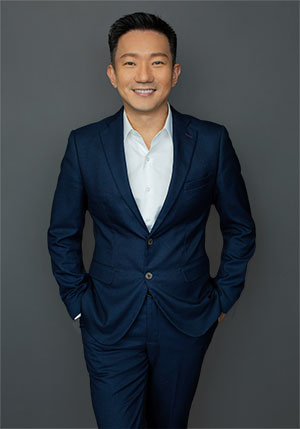
Dr Jonah Kua is a Consultant Plastic Surgeon, with extensive experience in reconstructive and aesthetic plastic surgery. He previously served as the Head of the Plastic Surgery Service at Changi General Hospital, was the National Program Director in Plastic Surgery at Singapore General Hospital and played a pivotal role in setting up the Breast Reconstruction and Aesthetic Surgery services in Changi General Hospital (CGH). Dr Kua is also the recipient of dual fellowship awards in the United Kingdom and South Korea. At his practice, Dr Kua combines clinical expertise with a deep understanding of individual needs, aesthetic goals and medical history to achieve natural-looking and beautiful results.

Consultant Plastic Surgeon
MBBS, MRCS, MMed, FAMS (Plastic Surgery)
Dr Chia Hui Ling has undergone advanced fellowship training in plastic surgery in South Korea and the United Kingdom, bringing international expertise to reconstructive and aesthetic procedures. She has special interests in facial plastic surgery, facial rejuvenation, breast reconstruction and microsurgery, and is known for her meticulous attention to detail and personalised approach to patient care. By combining advanced surgical techniques with evidence-based practice, Dr Chia develops individualised treatment plans that prioritise safety, function and natural-looking outcomes for every patient.
How can we help?
