
Why Do Some Breast Implants Look and Feel More Natural Than Others?
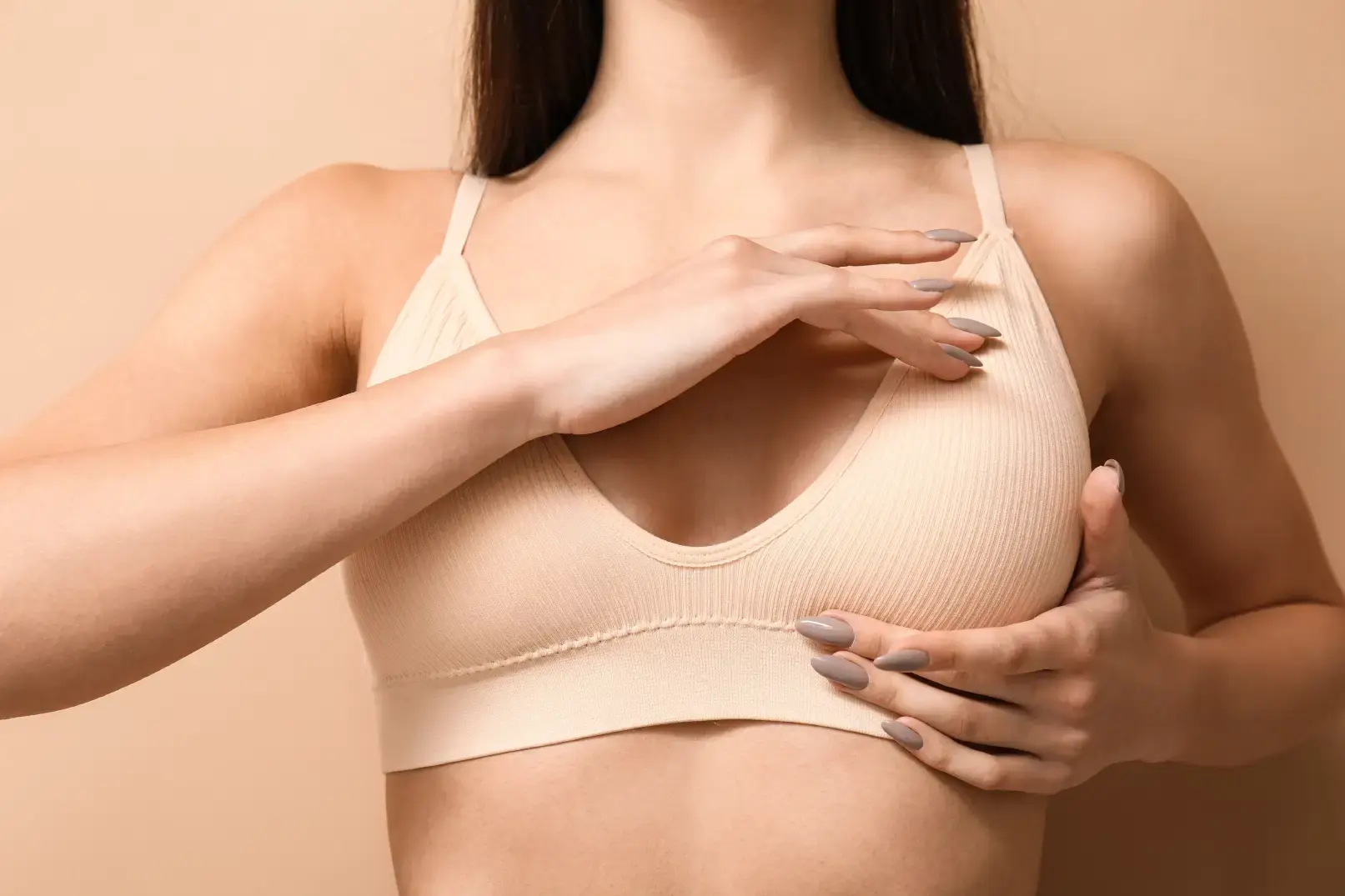

One of the most common questions patients ask before undergoing breast enlargement is whether breast implants will look and feel like natural breasts. The answer depends on far more than the implant itself. While modern implants can closely resemble natural breasts in many patients, they are not identical, and the final appearance and feel depend on factors such as implant material and shape. The final result is also largely affected by the amount of existing breast tissue, skin elasticity, chest anatomy and the body's healing process.
Advances in implant technology and surgical planning have made it possible to achieve outcomes that closely complement an individual's natural proportions. However, every patient starts with a different anatomy, meaning the same implant can produce noticeably different results in different people. Understanding the factors that influence appearance and feel can help you develop realistic expectations and make more informed decisions about breast augmentation.
Key Takeaways
- How natural breast implants look depends on existing breast tissue, skin elasticity, chest anatomy and overall body proportions.
- Implant material, implant placement and the amount of natural tissue covering the implant all influence how the breasts feel after healing.
- Breast implants may initially feel firm due to swelling and tissue tightness but often soften as healing progresses.
- Implant size, shape and profile should be selected according to the patient's anatomy rather than size preferences alone.
Factors That Influence How Natural Breast Implants Look and Feel
While implant choice plays an important role, the final appearance and feel of breast implants depend on several factors working together. The table below summarises the main considerations before each is explained in more detail.
| Factor | How It Influences How Natural Breast Implants Look and Feel |
|---|---|
| Existing breast tissue | More natural tissue provides greater implant coverage, helping the breasts appear and feel more natural. |
| Skin elasticity | Good skin support helps the implant settle smoothly and maintain breast shape over time. |
| Implant material | Silicone gel implants generally feel softer than saline implants. |
| Implant placement | Placement above or below the chest muscle influences contour, implant coverage and feel. |
| Implant size | Choosing an implant that suits your body proportions generally produces a more balanced appearance. |
What Determines How Natural Breast Implants Look?
How natural breast implants look depends on how well the implant is supported by the surrounding breast tissue, skin and chest anatomy. Rather than the implant alone, these factors work together to influence how naturally it blends with the body.
Existing Breast Tissue
Existing breast tissue helps cover the implant. Patients with more natural tissue often experience smoother implant coverage, making implant edges appear less noticeable. Those with less tissue may require more careful implant selection to achieve balanced contours.
Skin Elasticity
Skin that stretches and supports the implant appropriately can contribute to a smoother breast shape. Reduced elasticity may influence how the implant settles over time.
Chest Wall and Body Proportions
The width of the chest, shoulder proportions and overall body frame influence implant sizing and positioning. Choosing implants that match these measurements generally creates a more proportionate appearance.
What Affects How Breast Implants Feel?
The feel of breast implants changes throughout recovery and is influenced by both the implant and the surrounding tissues.
Implant Material
Modern silicone gel implants generally have a softer consistency that more closely resembles natural breast tissue, although the final feel also depends on surrounding anatomy. Saline implants may feel slightly firmer to some patients, although individual anatomy and implant placement also influence the final result.
Implant Placement
Implant placement above or beneath the chest muscle influences how the breasts feel during healing and after recovery. In many patients, placement beneath the muscle provides greater tissue coverage and a softer contour, although the most appropriate option depends on individual anatomy and treatment goals.
Healing and Tissue Adaptation
Immediately after surgery, swelling and tightness are expected. As inflammation settles and tissues gradually adapt around the implant over the following months, many patients notice that their breasts become softer and feel more natural.
How Does Implant Selection Influence Long-Term Results?
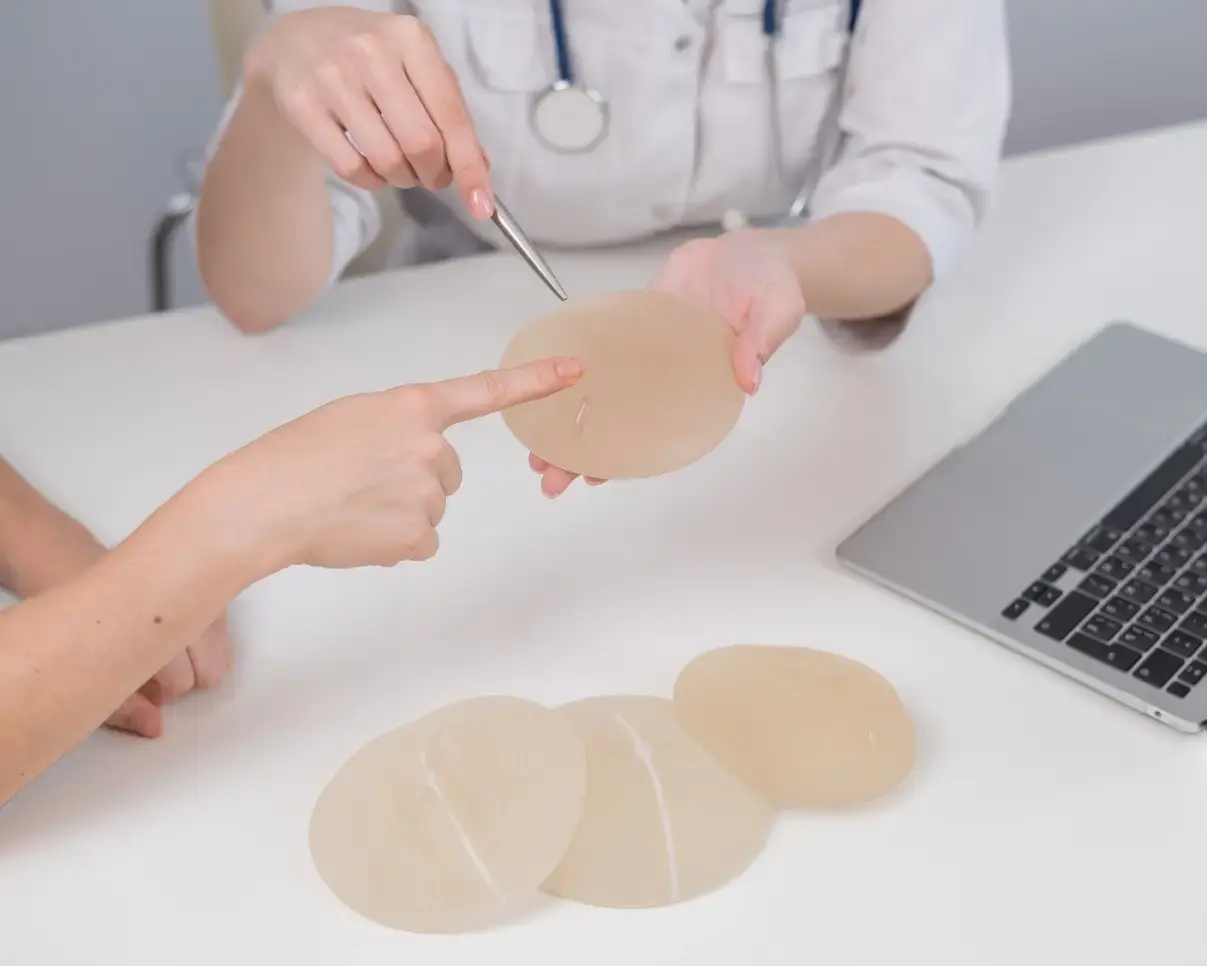
Choosing the right implant means considering both your aesthetic preferences and what suits your body. Although implants cannot perfectly replicate the changing characteristics of natural breast tissue over time, thoughtful implant selection can greatly improve how natural the breasts appear and feel.
Implant Size
Smaller implants do not always produce more natural-looking results. Choosing an implant that suits your body proportions is generally more important than selecting the smallest size available.
Implant Shape and Profile
Round and anatomical implants each create different contours, while the implant profile determines how far the breast projects from the chest. These characteristics are selected based on the appearance the patient hopes to achieve and where additional volume is beneficial based on personal anatomy.
Personalised Surgical Planning
Rather than focusing on one implant feature, surgeons assess multiple measurements together, including breast dimensions, tissue thickness and skin characteristics, to recommend an appropriate implant combination. The goal is to achieve results that look balanced, feel comfortable and complement your natural body proportions.
Personalise Your Breast Enlargement Planning with Astrid Plastic Surgery
Natural-looking breast implants are influenced by much more than implant choice alone. Your existing breast tissue, skin quality, body proportions, surgical planning and healing all contribute to how your breasts ultimately look and feel. While breast implants cannot completely replicate natural breast tissue, careful planning and modern surgical techniques can produce results that closely complement your body's natural proportions. Understanding these factors helps set realistic expectations and supports informed treatment decisions.
At Astrid Plastic Surgery, treatment is led by Consultant Plastic Surgeons Dr Jonah Kua and Dr Chia Hui Ling, who take a thorough and meticulous approach to breast enlargement. Rather than relying on a one-size-fits-all method, each procedure is carefully tailored to the individual's concerns, anatomy and desired outcome. This personalised approach helps patients achieve results that look balanced, natural and proportionate.
If you are considering breast enlargement, arrange a consultation to discuss which implant options may best suit your anatomy and treatment goals.
FAQs About Natural-Looking Breast Implants
Do breast implants age in the same way as natural breasts?
Can breast implants feel different during different stages of healing?
Do breast implants need to be replaced after a certain number of years?
About Our Plastic Surgeons
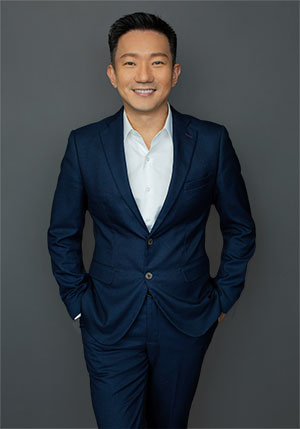
Medical Director & Consultant Plastic Surgeon
MBBS, MRCS, MMed, FAMS (Plastic Surgery)
Dr Jonah Kua is a plastic surgeon experienced in both reconstructive and aesthetic plastic surgery. He previously served as Head of the Plastic Surgery Service at Changi General Hospital and as National Programme Director in Plastic Surgery at Singapore General Hospital. Having completed fellowship training in the United Kingdom and South Korea, Dr Kua offers a comprehensive range of surgical procedures, taking an individualised approach to help patients achieve balanced, natural-looking results.
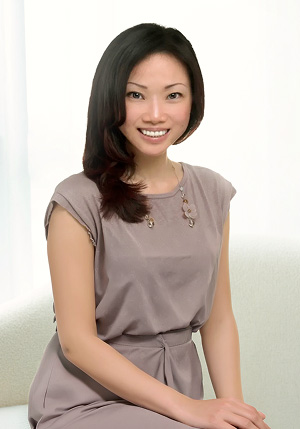
Medical Director & Consultant Plastic Surgeon
MBBS, MRCS, MMed, FAMS (Plastic Surgery)
Dr Chia Hui Ling has undergone advanced fellowship training in plastic surgery in South Korea and the United Kingdom, bringing international expertise to reconstructive and aesthetic procedures. She has special interests in facial plastic surgery, facial rejuvenation, breast reconstruction and microsurgery, and is known for her meticulous attention to detail and personalised approach to patient care. By combining advanced surgical techniques with evidence-based practice, Dr Chia develops individualised treatment plans that prioritise safety, function and natural-looking outcomes for every patient.
How can we help?
