

Inverted Nipple Correction in Singapore
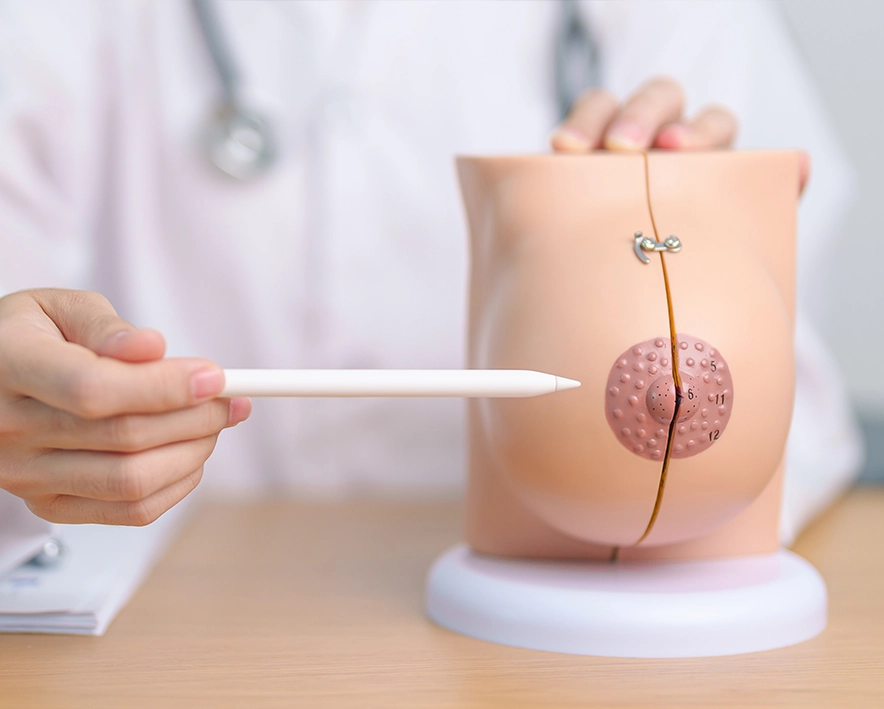
Why Choose Astrid for Inverted Nipple Correction
- Our plastic surgeons have experience in breast surgery and an understanding of the structures that influence nipple shape and projection.
- The surgical approach is planned according to the severity of nipple inversion, with consideration given to preserving the milk ducts where appropriate.
What Are Inverted Nipples?
Inverted nipples are nipples that are pulled inward rather than projecting outward from the breast. The inversion may affect one or both nipples and can vary in severity.
What Causes Inverted Nipples?
Inverted nipples may be present from birth or develop later in life. They can occur when tissues beneath the nipple pull it inward rather than allowing it to project outward.
Nipple inversion can also develop following pregnancy or previous breast surgery. A nipple that becomes newly inverted, particularly on one side, should be medically assessed to rule out an underlying breast condition.
How Does Inverted Nipple Correction Work?
Inverted nipple correction releases or rearranges the tissues pulling the nipple inward so that it can project outward. The surgical approach may vary according to the grade of inversion and the structures contributing to the retraction.
What Are the Grades of Nipple Inversion?
Inverted nipples are commonly classified into three grades based on how easily the nipple can be brought outward and whether it maintains its projection:
- Grade I: The nipple can be easily pulled outward and generally maintains its projection.
- Grade II: The nipple can be pulled outward but tends to retract again.
- Grade III: The nipple is severely inverted and may be difficult or impossible to pull outward manually.
The grade of inversion can help your plastic surgeon assess the severity of the condition and determine the appropriate surgical approach.

Understanding Your Inverted Nipple Correction Options
Where surgery is required, the approach may also depend on whether preserving the milk ducts is important for future breastfeeding.
- Duct-Preserving Correction: Releases the tissues pulling the nipple inward while keeping the milk ducts intact where possible. This approach may be considered when preserving the potential to breastfeed is a priority.
- Duct-Dividing Correction: Releases the nipple by dividing the shortened milk ducts contributing to the inversion. This approach may be considered where releasing the shortened milk ducts is necessary to correct the inversion, but it can affect the ability to breastfeed from the treated breast.
Who Is Suitable for Inverted Nipple Correction?
Inverted nipple correction may be considered when nipple inversion is persistent and causes cosmetic or practical concerns. Before surgery, the cause of the inversion and any plans for future breastfeeding should also be considered.
You may be suitable if:
- One or both nipples remain persistently inverted
- The inversion causes concerns with nipple appearance or function
- You understand that the surgery may affect nipple sensation and the ability to breastfeed
Need-to-Know

30–60 minutes

Local anaesthesia

Day surgery

Up to 1 week

Up to 6 weeks
Often Done With
Inverted nipple correction may be performed on its own or alongside other breast procedures where there are additional concerns about breast shape or nipple appearance.
- Nipple reduction
- Breast lift (mastopexy)
- Breast reduction
- Breast augmentation
FAQs About Inverted Nipple Correction
Can I breastfeed after inverted nipple correction?
Can an inverted nipple become inverted again after surgery?
Where are the scars after inverted nipple correction?
How can we help?
