

Lymphoedema Surgery in Singapore
Why Choose Astrid for Lymphoedema Surgery
- Our plastic surgeons have experience in reconstructive and microsurgery, including procedures involving small blood vessels and lymphatic structures.
- Surgical treatment is tailored to the stage and characteristics of the lymphoedema, with different approaches considered according to lymphatic function and tissue changes.
What Is Lymphoedema Surgery?
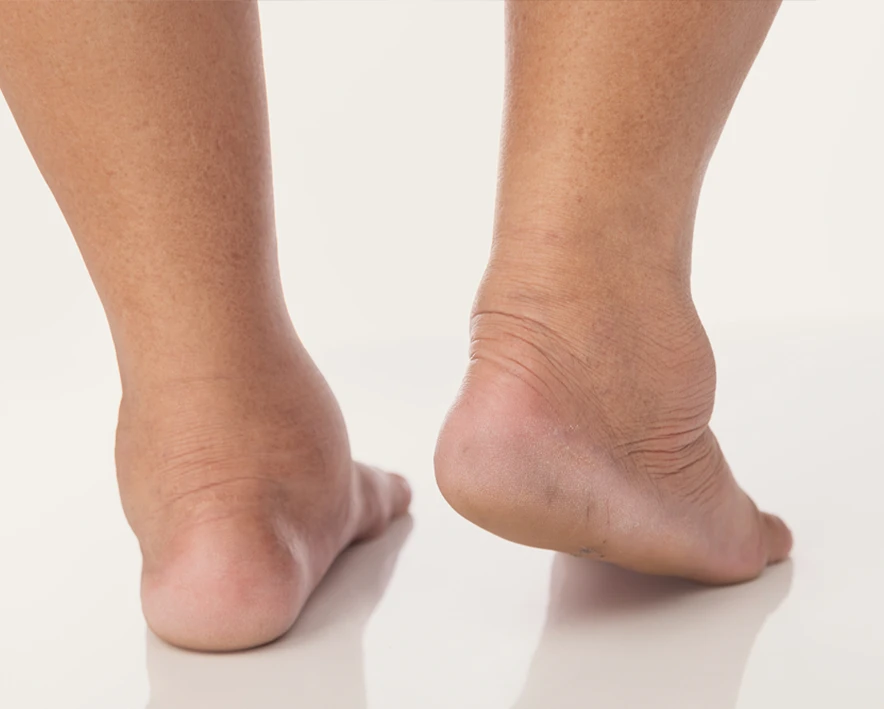
Lymphoedema surgery refers to procedures used to manage lymphoedema, a condition in which impaired lymphatic drainage causes persistent swelling, most commonly in the arms or legs. At Astrid Plastic Surgery, microsurgical procedures may be used to create alternative pathways for lymphatic fluid or support lymphatic drainage in the affected area.
When Is Lymphoedema Surgery Considered?
Surgery may be considered when:
- Lymphoedema persists despite appropriate conservative treatment, such as compression and lymphatic therapy
- Persistent swelling affects daily activities or limb function
- Recurrent infections or other complications occur
- The lymphatic system and affected tissues are suitable for a surgical approach
The type of surgery considered depends on the stage of lymphoedema, lymphatic function and the tissue changes present.
How Does Lymphoedema Surgery Work?
Lymphoedema surgery aims to improve how lymphatic fluid drains from the affected area. Depending on the procedure, this may involve:
- Redirecting lymphatic fluid: Microsurgical connections are created between lymphatic vessels and nearby veins, allowing fluid to bypass damaged or obstructed lymphatic pathways.
- Supporting lymphatic drainage: Healthy lymph nodes with their blood supply are transferred to the affected area to help improve lymphatic drainage.

Understanding Your Lymphoedema Surgery Options
The surgical approach depends on factors such as lymphatic function and the characteristics of the affected area.
- Lymphovenous Anastomosis/Bypass (LVA/LVB): Creates microsurgical connections between functioning lymphatic vessels to nearby small veins, allowing lymphatic fluid to bypass damaged or obstructed pathways.
- Vascularised Lymph Node Transfer (VLNT): Transfers healthy lymph nodes together with their blood supply to the affected area to support lymphatic drainage.
- Liposuction: Removes excess fatty tissue that can accumulate in more established lymphoedema when swelling is no longer caused by fluid alone.
LVA/LVB vs VLNT: What’s the Difference?
Both LVA/LVB and VLNT aim to improve lymphatic drainage, but they do so in different ways.
| LVA/LVB | VLNT | |
|---|---|---|
| How It Works | LVA/LVB Connects functioning lymphatic vessels to nearby small veins to redirect lymphatic fluid | VLNT Transfers healthy lymph nodes with their blood supply to the affected area |
| What It Uses | LVA/LVB Existing functioning lymphatic vessels | VLNT Transferred lymph nodes and their blood supply |
| Main Aim | LVA/LVB Bypass damaged or obstructed lymphatic pathways | VLNT Support lymphatic drainage in the affected area |
| Surgical Approach | LVA/LVB Microsurgical bypass procedure | VLNT Microsurgical tissue transfer |
Who Is Suitable for Lymphoedema Surgery?
Suitability for lymphoedema surgery depends on the type and stage of lymphoedema, as well as the condition of the lymphatic system and affected tissues. Assessment may consider:
- The location and stage of the lymphoedema
- The condition and function of the remaining lymphatic vessels
- Previous treatment and response to conservative management
- Your overall health and suitability for surgery
Need-to-Know
LVA/LVB
Procedure Time 2–4 hours
Anaesthesia Local or general anaesthesia
Hospitalisation Day surgery or overnight stay
Downtime Up to 2 weeks
Recovery Up to 4 weeks
VLNT
Procedure Time 3–5 hours
Anaesthesia General anaesthesia
Hospitalisation Up to 3 nights
Downtime Up to 4 weeks
Recovery Up to 6 weeks
Liposuction
Procedure Time 1–3 hours
Anaesthesia General anaesthesia
Hospitalisation Day surgery or overnight stay
Downtime Up to 2 weeks
Recovery Up to 6 weeks
Lymphoedema Care Beyond Surgery
Surgery is one part of lymphoedema management, and ongoing care may still be required before and after the procedure. Depending on your condition and treatment plan, this may include:
- Compression garments
- Lymphatic therapy or physiotherapy
- Skin care and measures to reduce the risk of infection
FAQs About Lymphoedema Surgery
Can lymphoedema be cured with surgery?
How long do the results of lymphoedema surgery last?
Can lymphoedema surgery be combined with skin tightening procedures?
How can we help?
