
Can Ptosis Be Treated Without Surgery?



Have you noticed one eyelid sitting lower than the other or find yourself raising your eyebrows to see clearly? This condition, known as ptosis, can sometimes be managed without surgery, depending on its cause and severity. In mild or temporary cases, options such as prescription eye drops or mechanical supports like ptosis crutches may help lift the eyelid. However, for more persistent drooping that affects your vision or daily activities, surgical intervention is usually the most reliable solution.
In this article, we’ll explore non-surgical ways to manage ptosis and explain when surgical treatment may be necessary. Keep reading to learn more.
Understanding Ptosis
Ptosis can be present from birth (congenital) or develop later in life (acquired). Acquired ptosis is commonly caused by a weakening of the levator muscle, which lifts the upper eyelid. Other factors include nerve issues, injury, long-term contact lens use, or previous eye surgery.
Determining the type and cause of ptosis requires a thorough clinical evaluation. This usually involves measuring eyelid position, checking levator muscle function, and identifying any underlying neurological or muscular conditions.
Non-Surgical Approaches to Ptosis
1. Prescription Eye Drops
Certain prescription eye drops, such as those containing oxymetazoline, can temporarily lift the upper eyelid by stimulating Müller’s muscle. They may help improve eyelid position in cases of mild acquired ptosis, offering short-term relief. However, the effect generally lasts only a few hours and is not suitable for congenital ptosis or when the levator muscle is significantly weakened.
2. Ptosis Crutches
For those looking for a non-invasive option, a ptosis crutch can be considered. This small device attaches to eyeglass frames and supports the drooping eyelid. It can be particularly useful for individuals who are not candidates for surgery or prefer a temporary solution. However, regular adjustments and ongoing maintenance are needed to ensure comfort and proper function.
3. Eyelid Exercises
In some mild or nerve-related cases, targeted eyelid exercises may help maintain or slightly improve muscle tone. While the long-term benefits remain limited according to current research, exercises can be a helpful complement to other non-surgical measures.
*Note: The effectiveness of non-surgical methods varies depending on the underlying cause. Consulting with a qualified plastic surgeon or oculoplastic specialist can help you determine which options are appropriate for your situation and whether surgical intervention may eventually be necessary.
When Surgery Is Recommended
The procedure typically involves tightening or reattaching the levator muscle, which is responsible for lifting the eyelid. The specific technique is tailored to factors such as the degree of drooping, the strength of the levator muscle, and whether the condition is congenital or acquired. Most patients can return home on the same day, provided they follow the prescribed postoperative care and attend scheduled follow-up appointments.
Consultation and Individualised Assessment
Conclusion
Speaking with a qualified plastic surgeon, such as Dr Jonah Kua or Dr Chia Hui Ling at Astrid Plastic Surgery, allows you to explore the options that best suit your situation. Book a consultation today to discuss the approach that’s right for your eyes and daily comfort.
About Our Plastic Surgeons
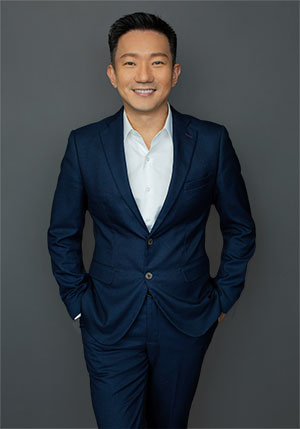
Medical Director & Consultant Plastic Surgeon
MBBS, MRCS, MMed, FAMS (Plastic Surgery)
Dr Jonah Kua is a Consultant Plastic Surgeon, with extensive experience in reconstructive and aesthetic plastic surgery. He previously served as the Head of the Plastic Surgery Service at Changi General Hospital, was the National Program Director in Plastic Surgery at Singapore General Hospital and played a pivotal role in setting up the Breast Reconstruction and Aesthetic Surgery services in Changi General Hospital (CGH). Dr Kua is also the recipient of dual fellowship awards in the United Kingdom and South Korea. At his practice, Dr Kua combines clinical expertise with a deep understanding of individual needs, aesthetic goals and medical history to achieve natural-looking and beautiful results.

Medical Director & Consultant Plastic Surgeon
MBBS, MRCS, MMed, FAMS (Plastic Surgery)
Dr Chia Hui Ling has undergone advanced fellowship training in plastic surgery in South Korea and the United Kingdom, bringing international expertise to reconstructive and aesthetic procedures. She has special interests in facial plastic surgery, facial rejuvenation, breast reconstruction and microsurgery, and is known for her meticulous attention to detail and personalised approach to patient care. By combining advanced surgical techniques with evidence-based practice, Dr Chia develops individualised treatment plans that prioritise safety, function and natural-looking outcomes for every patient.
How can we help?
