

How To Care For Your Wounds and Minimise Your Scars After Surgery



Wonder how you should look after wounds to optimise your healing and scarring after surgery? Here are some surgeon-approved tips on how to care for your wounds and scars:
Immediately After Surgery
After surgery, the main priority is to prevent infection. Your surgeon would have covered your wounds with a dressing to seal it in a sterile field. In areas where a dressing cannot be secured, for example, hair-bearing areas like the scalp and brows, you will usually be given an antibiotic ointment to apply over the wound. Often the ointment is applied to the wound multiple times a day to keep the wound covered and moist.
If you have a dressing, ensure that it is kept dry to ensure the wound continues to be sealed. If the dressing is waterproof, it will withstand splashes of water, but not being submerged in water, so avoid activities like swimming.
Scar Prevention
After the wound has healed, the next part of the recovery process is to focus on scar prevention. The most basic scar prevention step is silicone scar gel or silicone tape application. Silicone has been clinically proven to curb the scarring process by preventing a phenomenon known as transepidermal water loss, or TEWL. Silicone tape has the added benefit to keep the scar flat, so if it possible for you to retain a tape over the scar, this would be preferred.
The key to silicone scar therapy is that the silicone gel or tape has to cover the scar at all times. So if you are applying silicone gel, this needs to be reapplied multiple times a day.
Scar Intervention
Your surgeon will be monitoring your scar. In the event that the scar acts up and becomes red or brown or hypertrophic (thickened), then it may be advisable to start treatments that will control the scar activity at this point.
Some scar intervention options include scar lasers or steroid injections. Laser treatments are proven to improve red, dark or raised scars. Often the best way to control a scar is a regular multi-pronged approach, such as a combination of treatments like lasers and injections. For difficult scars, a surgical scar revision may be the only answer to improve your scar condition.
Contact us and our plastic surgeon will advise the best treatment for your scars.
About Our Plastic Surgeons
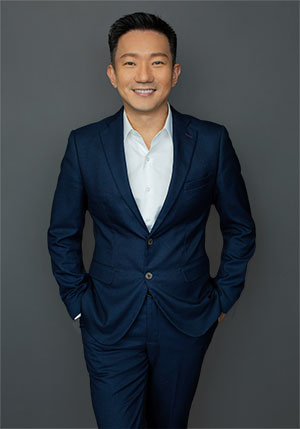
Consultant Plastic Surgeon
MBBS, MRCS, MMed, FAMS (Plastic Surgery)
Dr Jonah Kua is a Consultant Plastic Surgeon, with extensive experience in reconstructive and aesthetic plastic surgery. He previously served as the Head of the Plastic Surgery Service at Changi General Hospital, was the National Program Director in Plastic Surgery at Singapore General Hospital and played a pivotal role in setting up the Breast Reconstruction and Aesthetic Surgery services in Changi General Hospital (CGH). Dr Kua is also the recipient of dual fellowship awards in the United Kingdom and South Korea. At his practice, Dr Kua combines clinical expertise with a deep understanding of individual needs, aesthetic goals and medical history to achieve natural-looking and beautiful results.

Consultant Plastic Surgeon
MBBS, MRCS, MMed, FAMS (Plastic Surgery)
Dr Chia Hui Ling has undergone advanced fellowship training in plastic surgery in South Korea and the United Kingdom, bringing international expertise to reconstructive and aesthetic procedures. She has special interests in facial plastic surgery, facial rejuvenation, breast reconstruction and microsurgery, and is known for her meticulous attention to detail and personalised approach to patient care. By combining advanced surgical techniques with evidence-based practice, Dr Chia develops individualised treatment plans that prioritise safety, function and natural-looking outcomes for every patient.
How can we help?
