

Breast Fat Grafting in Singapore


Why Choose Astrid for Breast Fat Grafting
- Our plastic surgeons bring experience in breast surgery, body contouring and reconstructive plastic surgery, including procedures involving fat harvesting and transfer.
- Treatment is planned according to the patient's breast anatomy, available donor fat and desired volume enhancement, with consideration given to the limitations of fat grafting.
What Is Breast Fat Grafting?
Breast fat grafting, also known as breast fat transfer, is a surgical procedure that uses fat from another area of the patient's body to enhance breast volume and contour.
Unlike implant-based breast augmentation, the procedure uses the patient's own fat to achieve a modest increase in fullness or refine breast shape without inserting a breast implant.

Who May Be Suitable for Breast Fat Grafting?
Breast fat grafting may be suitable for patients who want to enhance their breast shape without implants, provided they have sufficient donor fat available for transfer.
It may be considered for those who wish to:
- Achieve a modest increase in breast volume
- Improve uneven breast contours or localised volume loss
- Address mild differences in breast size or shape
- Restore some breast fullness following weight loss or pregnancy
- Have realistic expectations about the degree of enhancement achievable and the possibility of needing more than one session
Assessment involves examining the existing breast tissue and potential donor areas, reviewing the patient's medical history and identifying any breast health concerns that may require further investigation. The surgeon will also discuss relevant risks, including fat necrosis and changes that may appear on future breast imaging.
Some of the transferred fat is naturally reabsorbed during healing, while fat that establishes a blood supply can remain long-term. The final volume therefore depends partly on how much transferred fat survives.
How Is Breast Fat Grafting Performed?
Breast fat grafting involves harvesting fat from a suitable donor area, preparing it for transfer and injecting it into the breasts. The procedure generally involves three stages:
Fat Harvesting
Liposuction is used to collect fat from areas such as the abdomen, thighs or flanks.
Fat Processing
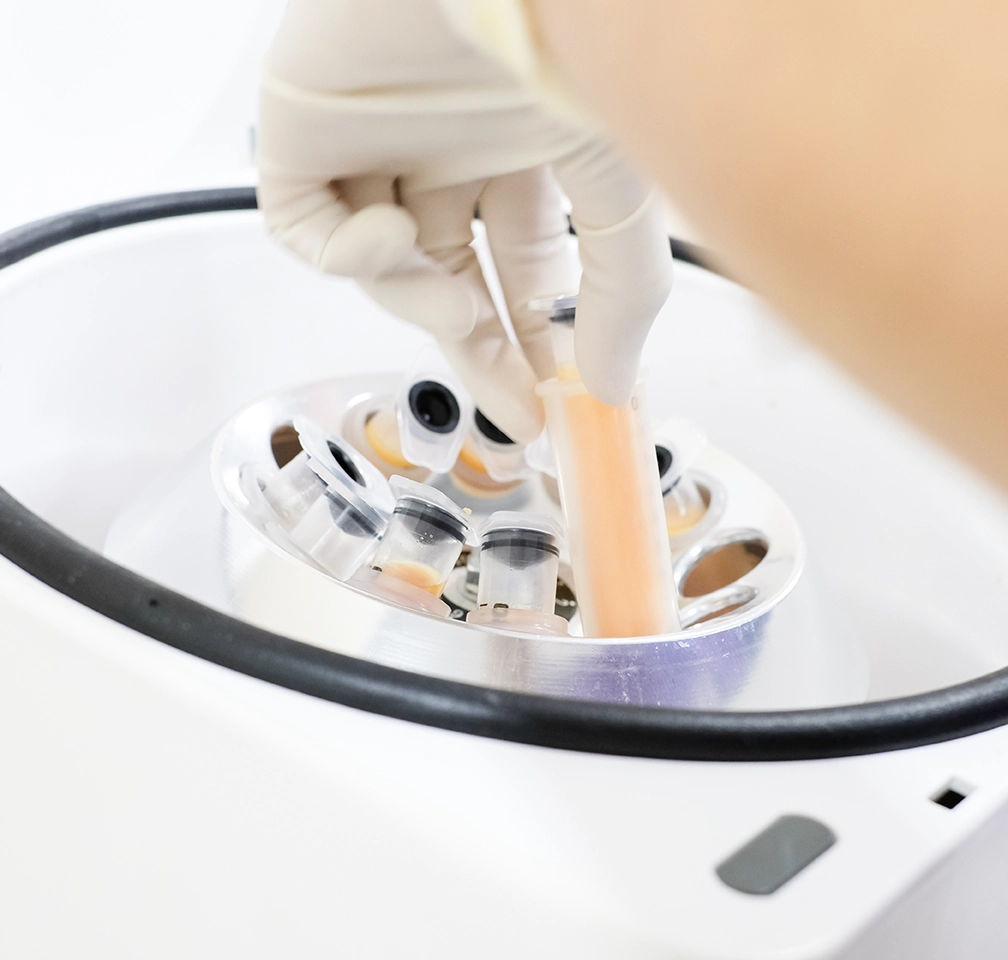
The harvested fat is prepared to separate usable fat from excess fluid and other unwanted material.
Fat Injection
Fat is injected in small amounts across selected areas of the breast to achieve the planned volume and contour.
Need-to-Know

3–4 hours

Sedation

Day Surgery (No hospitalisation required)

Up to 2 weeks

Up to 6 weeks
Often Done With
Breast fat grafting may be performed on its own or alongside other breast procedures to address additional concerns about breast shape, volume or contour.
FAQs About Breast Fat Grafting
Does breast fat grafting leave less scarring than breast implant surgery?
Can breast fat grafting affect mammograms?
Can I use fat from a donor for breast fat grafting?
How can we help?
