
What Are the Key Factors Behind Natural-Looking Breast Augmentation?
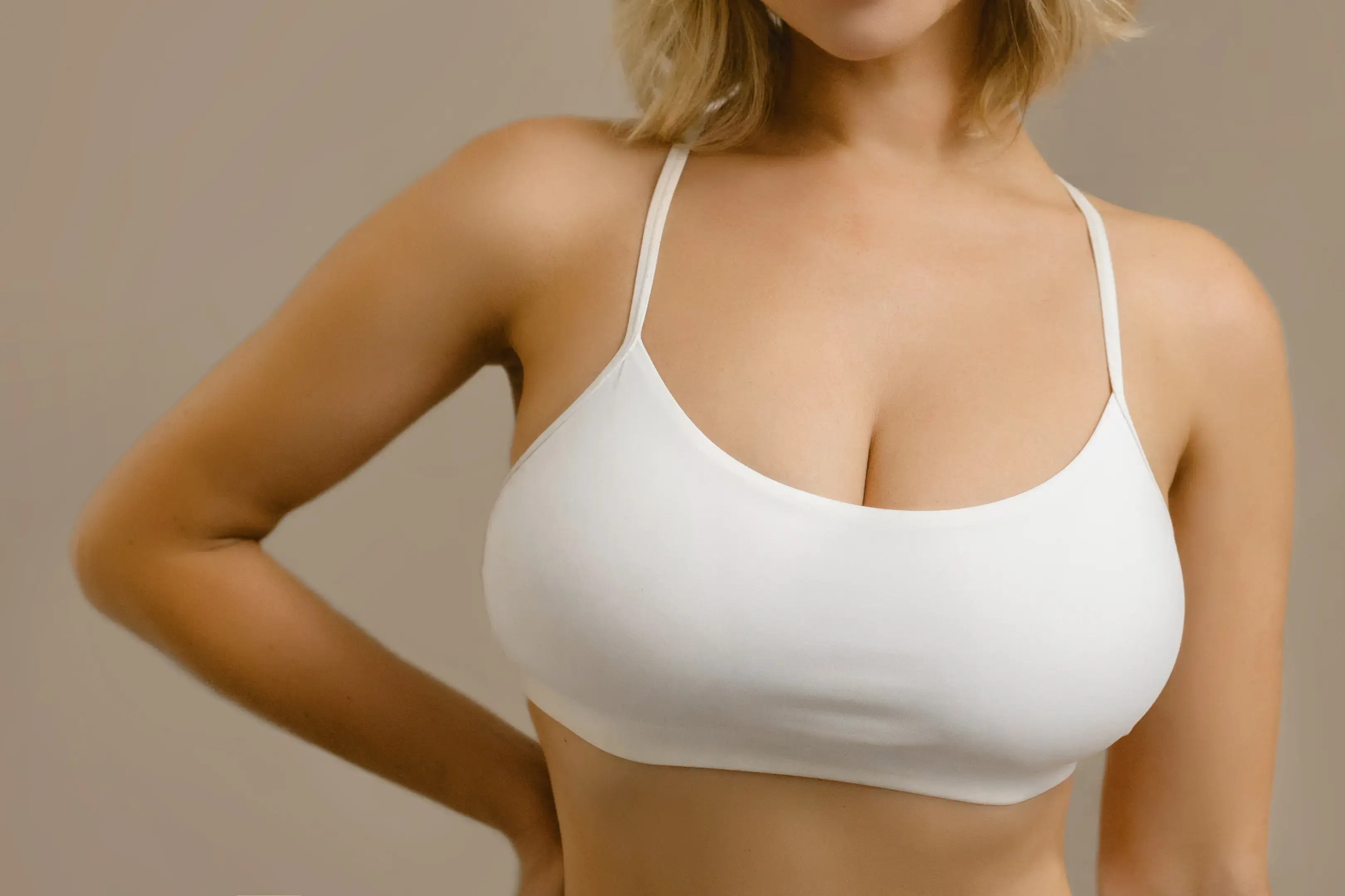

A natural-looking breast augmentation is achieved by matching implant selection and surgical planning to your natural anatomy rather than simply choosing a larger implant. The goal is to create breasts that appear proportionate to your body, complement your existing shape and align with your aesthetic goals without appearing obviously augmented.
Factors such as breast tissue, chest dimensions, implant size, implant placement and healing all influence the final result. Rather than focusing on achieving a specific cup size, experienced plastic surgeons aim to enhance your existing proportions while creating balanced, natural-looking contours.
Because every patient has different breast tissue, chest dimensions, skin quality and aesthetic goals, there is no single implant or surgical technique that produces natural-looking results for everyone. Individualised treatment planning is therefore one of the most important aspects of breast augmentation. Understanding these factors can help you develop realistic expectations and make informed decisions when discussing treatment options with your plastic surgeon.
Key Takeaways
- Natural-looking breast augmentation prioritises body proportion over maximum implant size.
- Your anatomy largely determines which implant options are suitable.
- Implant size, width, profile, shape and placement all influence the final appearance.
- Healing and implant settling continue to refine results for several months after surgery.
How Does Your Natural Anatomy Influence Breast Augmentation Results?
Your natural anatomy is one of the most important factors influencing how breast augmentation will look after surgery. Rather than selecting an implant based solely on your desired cup size, experienced plastic surgeons assess your breast tissue, breast shape, skin quality and body proportions to recommend an approach that creates balanced, natural-looking results.
Existing Breast Tissue and Shape
The amount of natural breast tissue influences how well an implant is covered and how smoothly it blends with surrounding tissues. Patients with more natural breast tissue often have greater soft tissue coverage, helping conceal implant edges and create a softer contour.
For patients with thinner tissues, implant selection and placement become even more important to minimise implant visibility and maintain a natural transition between the chest and breast.
Breast width, projection, skin elasticity and existing asymmetry also influence implant selection. Matching implant dimensions to your natural breast footprint helps produce a proportionate appearance, while skin elasticity affects how tissues adapt during healing.
Chest Dimensions and Body Proportions
Measurements such as chest width, rib cage shape, shoulder width and overall body frame help determine appropriate implant dimensions.
An implant that is too wide may extend beyond the natural breast footprint, while one that is too narrow may not create balanced proportions.
Rather than aiming for a predetermined cup size, experienced plastic surgeons use objective anatomical measurements to recommend implants that complement your overall silhouette.

How Do Surgeons Choose the Right Implant?
Choosing the right implant involves balancing several characteristics rather than selecting size alone. Implant volume, width, profile, shape and material all influence the final appearance.
Implant size
Implant size is often one of the first considerations for patients, but larger implants do not necessarily produce more natural results.
An implant that is too large for your anatomy may overstretch tissues, increase implant visibility or appear disproportionate. During consultation, your surgeon considers your goals alongside your breast measurements, chest width and skin quality to recommend a volume that remains appropriate for your body.
Implant Dimensions and Profile
Implant dimensions are often just as important as implant volume because two implants with the same volume can produce noticeably different results depending on their width and projection.
Implant profile describes the relationship between implant width and projection. Lower-profile implants are wider and flatter, while higher-profile implants provide greater forward projection with a narrower base. The most suitable profile depends on your chest width, breast shape and desired appearance.
Implant Shape and Material
| Factor | Options | How Does This Affect Appearance And Feel |
|---|---|---|
| Implant Shape | Round (uniform fullness) | Provide more upper fullness |
| Anatomical (natural, teardrop shape) | Simulate more natural contour | |
| Implant Material | Silicone (filled with cohesive gel) | Tend to feel softer and more natural |
| Saline (filled with sterile water) | May feel firmer and can show more rippling |
The most suitable implant is the one that best matches your anatomy and desired outcome rather than the largest available option.
How Does Surgical Technique Influence Natural-Looking Results?
Even an appropriate implant requires careful surgical planning.
Implant Placement
Implants may be placed above the chest muscle or partially beneath it depending on your anatomy and treatment goals. Placement affects breast contour, implant visibility, movement and the transition between the upper chest and breast. Patients with thinner soft tissue coverage may benefit from submuscular placement to improve implant concealment, while others may be suitable candidates for placement above the muscle.
Incision Placement and Scar Planning
Incision placement influences surgical access and scar visibility. Common options include incisions within the breast fold or around the areola. Careful planning helps position scars where they become less noticeable over time. Techniques such as MinimalScar® may also be considered in appropriate patients.
Addressing Natural Breast Asymmetry
Most patients naturally have some degree of breast asymmetry before surgery. Rather than attempting to create perfectly identical breasts, surgeons aim to improve overall balance by adjusting implant size, profile or positioning where appropriate.
Hybrid Breast Augmentation
Hybrid breast augmentation combines implants with fat grafting. This approach may be suitable for selected patients who wish to achieve implant volume while softening visible implant edges, refining cleavage or improving contour transitions where natural tissue coverage is limited. Suitability depends on your anatomy, available donor fat and desired outcome.
How Does Recovery Influence Breast Augmentation Results?
Recovery plays an important role in how breast augmentation results develop. As swelling subsides and the implants settle, your breasts gradually take on their long-term shape and appearance.
Healing Takes Time
It is normal for the breasts to feel swollen, firm or sit higher on the chest immediately after surgery. As healing progresses, swelling subsides, scars mature and the implants gradually settle into a more natural position. Breast shape continues to refine over several months, so early results should not be considered final.
Following Post-Operative Instructions
Following your surgeon's post-operative guidance supports healing and helps optimise your results. This may include wearing supportive garments, limiting strenuous activities during the initial recovery period and attending follow-up appointments so your surgeon can monitor healing and address any concerns.
Maintaining Long-Term Results
Although breast implants provide long-lasting enhancement, your breasts will continue to change naturally over time. Factors such as ageing, pregnancy and weight fluctuations can affect breast appearance. Maintaining a stable weight, attending routine follow-up appointments and discussing future pregnancy plans with your surgeon may help preserve balanced, natural-looking results.
Achieve Balanced Breast Augmentation Results with Dr Jonah Kua
Breast augmentation should be tailored to your anatomy, goals and lifestyle. At Astrid Plastic Surgery, we carefully tailor treatments for each patient. Our team offers advanced options such as Motiva Breast Augmentation, Vectra 3D-simulation to help visualise potential outcomes and the MinimalScar® technique designed to minimise visible scarring. We provide personalised and honest guidance throughout your consultation, surgery and recovery.
Dr Jonah Kua takes the time to understand each patient's anatomy, lifestyle and aesthetic goals before recommending a treatment plan designed to achieve natural-looking, proportionate results. Book an appointment to discuss your options.
Frequently Asked Questions (FAQs) About Breast Augmentation Results
Can everyone achieve natural-looking breast augmentation?
Can larger breast implants still look natural?
Can I request a subtle breast augmentation instead of a dramatic change?
Can asymmetrical breasts be improved during breast augmentation?
Will my breast augmentation continue to look natural as I age?
About Our Plastic Surgeons
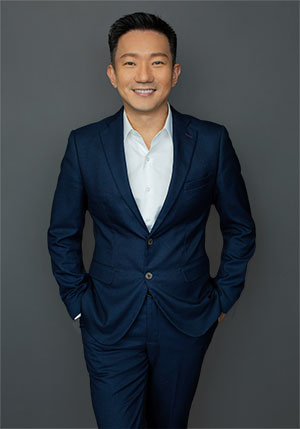
Consultant Plastic Surgeon
MBBS, MRCS, MMed, FAMS (Plastic Surgery)
Dr Jonah Kua is a Consultant Plastic Surgeon, with extensive experience in reconstructive and aesthetic plastic surgery. He previously served as the Head of the Plastic Surgery Service at Changi General Hospital, was the National Program Director in Plastic Surgery at Singapore General Hospital and played a pivotal role in setting up the Breast Reconstruction and Aesthetic Surgery services in Changi General Hospital (CGH). Dr Kua is also the recipient of dual fellowship awards in the United Kingdom and South Korea. At his practice, Dr Kua combines clinical expertise with a deep understanding of individual needs, aesthetic goals and medical history to achieve natural-looking and beautiful results.
Consultant Plastic Surgeon
MBBS, MRCS, MMed, FAMS (Plastic Surgery)
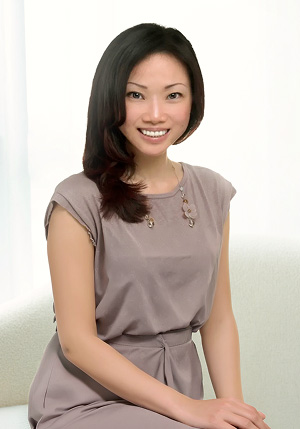
Dr Chia Hui Ling has undergone advanced fellowship training in plastic surgery in South Korea and the United Kingdom, bringing international expertise to reconstructive and aesthetic procedures. She has special interests in facial plastic surgery, facial rejuvenation, breast reconstruction and microsurgery, and is known for her meticulous attention to detail and personalised approach to patient care. By combining advanced surgical techniques with evidence-based practice, Dr Chia develops individualised treatment plans that prioritise safety, function and natural-looking outcomes for every patient.
How can we help?
