
Incisional vs. Non-Incisional Eyelid Surgery Recovery: What to Expect
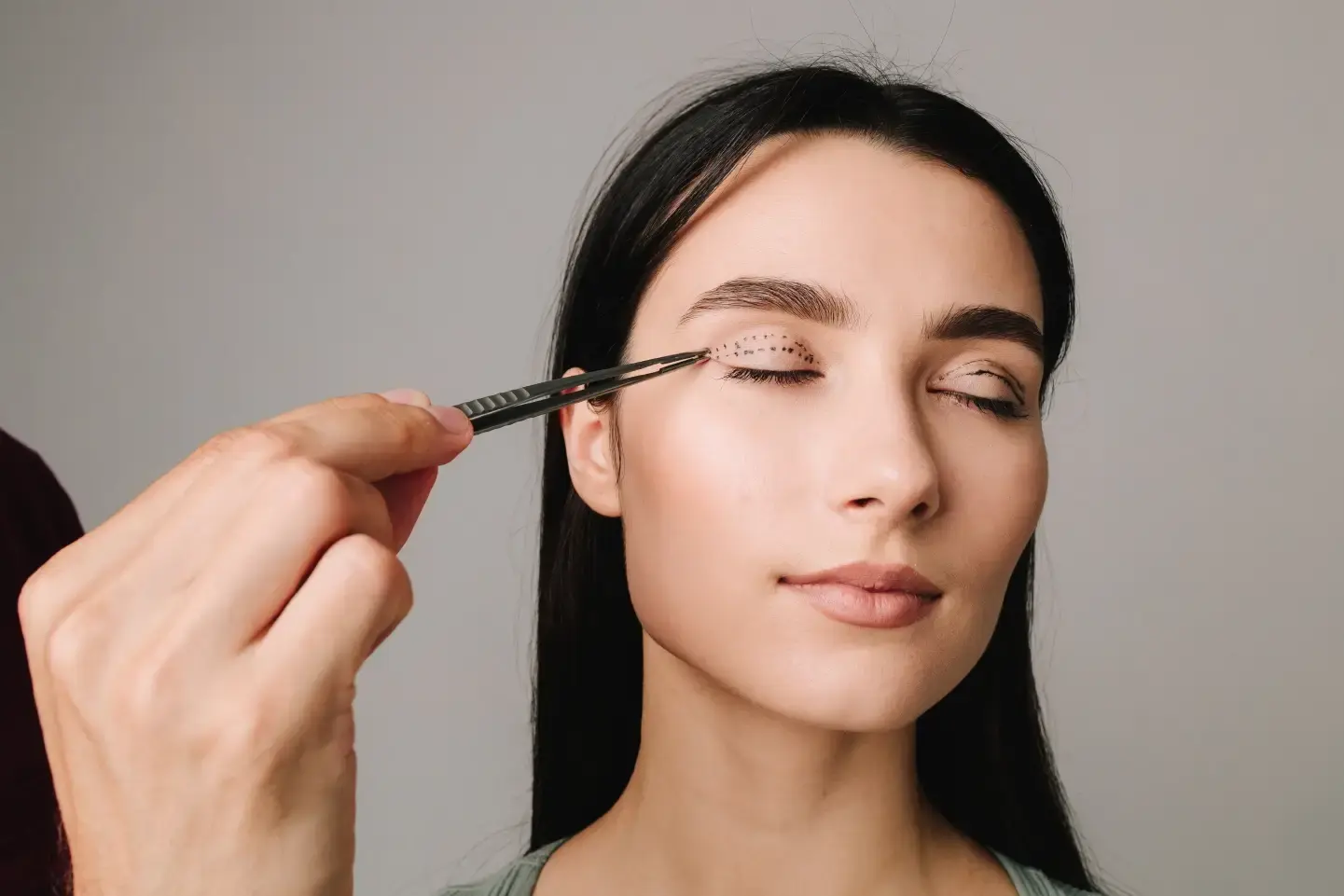


Choosing between incisional eyelid surgery and non-incisional eyelid surgery involves more than comparing the procedure itself. For many patients, recovery time is an equally important consideration, particularly when planning work commitments, social events or travel. While both techniques aim to create a more defined eyelid crease, they differ in how they are performed, which also affects the expected healing process and the amount of downtime required.
In general, non-incisional eyelid surgery involves less tissue disruption and is associated with a shorter recovery period, making it a popular option for suitable candidates seeking minimal downtime. Incisional eyelid surgery, on the other hand, typically requires a longer healing period but may be recommended for patients with excess eyelid skin, thicker eyelids or those seeking more durable, predictable results. Understanding what to expect after each procedure can help you plan your recovery, schedule time away from work and decide which approach best suits your lifestyle and treatment goals.
Incisional vs. Non-Incisional Eyelid Surgery Recovery at a Glance
While both procedures create a defined upper eyelid crease, their different surgical techniques result in different recovery timelines. The comparison below summarises what most patients can expect.
| Recovery Aspect | Incisional Eyelid Surgery | Non-Incisional Eyelid Surgery |
|---|---|---|
| Procedure | Creates an eyelid crease through a surgical incision with sutures. | Creates an eyelid crease using sutures passed through small puncture points without a full incision. |
| Swelling and bruising | Usually more noticeable during the first one to two weeks before gradually improving. | Typically milder and resolves sooner, although temporary swelling is still expected. |
| Return to desk-based work | Many patients are comfortable returning after about 1–2 weeks, depending on the visibility of swelling and bruising. | Many patients can return within several days to one week if recovery is progressing well. |
| Return to physically demanding work | May require a longer period away from work until strenuous activity can be resumed safely. | Often allows an earlier return than incisional surgery, although heavy lifting should still be avoided initially. |
| Social downtime | Patients often prefer to wait around 2–3 weeks before attending important social events or having photographs taken. | Many feel comfortable resuming social activities after about 1–2 weeks as swelling subsides. |
| Exercise | Strenuous exercise is usually delayed until healing has progressed and your surgeon advises it is safe. | Light activities may often resume sooner, though strenuous exercise should still be delayed. |
| Final results | Swelling continues to settle over several months as scars mature and the eyelid crease becomes more defined. | Final results generally become apparent sooner as residual swelling resolves. |
How Much Time Off Work Should You Plan?
The amount of time you should take off work depends largely on whether you undergo incisional eyelid surgery or non-incisional eyelid surgery, as well as the nature of your job. While many patients feel well enough to resume light activities within a few days, visible swelling and bruising often take longer to settle. Planning adequate leave can help you recover comfortably without feeling pressured to return before you are ready.
Desk-Based and Remote Work
Patients with office-based or remote jobs can often return to work sooner because these roles involve minimal physical exertion. However, prolonged screen use may cause temporary eye dryness or fatigue during the early stages of recovery. Taking regular breaks and using lubricating eye drops, if recommended by your surgeon, can help improve comfort when returning to computer-based tasks.
Physically Demanding Jobs
Jobs that involve heavy lifting, frequent bending, strenuous activity or exposure to dust, heat or outdoor environments may require a longer period away from work. These activities can increase swelling or place unnecessary strain on the healing eyelids. Your surgeon will advise when it is safe to resume these duties based on your recovery.
Planning Around Important Events
Work is not the only consideration when scheduling your procedure. If you have important events planned shortly after surgery, discuss the timing with your surgeon before booking your procedure. Allowing additional recovery time provides greater flexibility should swelling or bruising take longer than expected.
| Procedure | Suggested Time Before an Important Event* |
|---|---|
| Non-incisional eyelid surgery | At least 1 to 2 weeks before weddings, holidays, professional presentations or other important social events. |
| Incisional eyelid surgery | At least 3 to 4 weeks, or longer if you would like swelling to settle further before photographs or public appearances. |
*These timelines are general guidance. Individual recovery varies, and your surgeon will advise you based on your healing progress.
When Can You Return to Exercise After Eyelid Surgery?
Although staying active supports overall health, returning to exercise too soon after eyelid surgery may increase swelling, bruising and the risk of bleeding around the healing tissues. The appropriate timeline depends on whether you have undergone incisional or non-incisional eyelid surgery, how well your eyelids are healing and the type of activity you plan to resume. Your surgeon will assess your recovery during follow-up appointments and advise when it is safe to gradually return to different forms of exercise.
Walking
Light walking is usually the first form of exercise patients can resume. Gentle walks around the home or outdoors help promote circulation and reduce the risk of prolonged inactivity without placing excessive strain on the healing eyelids.
Keep your pace relaxed during the first week and avoid brisk walking, steep inclines or activities that significantly raise your heart rate. If swelling increases afterwards, reduce the duration or intensity until healing progresses further.
Gym Workouts
Most gym activities should be postponed until the eyelids have had sufficient time to heal. Weightlifting, high-intensity interval training, running and other strenuous workouts can increase blood pressure, which may worsen swelling or increase the risk of bleeding during the early recovery period.
Many patients can gradually return to lighter gym exercises after receiving clearance from their surgeon, with heavier lifting and more intense training introduced progressively as healing continues.
Swimming
Swimming should generally be avoided until the incisions have fully healed. Pool water, seawater and hot tubs may expose the healing wounds to bacteria and other contaminants, increasing the risk of infection. Goggles may also place pressure on the eyelids before they have completely recovered. Your surgeon will advise when it is safe to return to swimming based on how well the eyelids have healed.
Contact Sports
Contact sports such as football, basketball, martial arts and similar activities typically require the longest recovery period before returning. Accidental impact to the face may disrupt healing, affect the surgical results or lead to complications while the tissues remain fragile.
Patients should only resume contact sports after their surgeon confirms that the eyelids have healed adequately and can safely tolerate physical contact. Depending on the sport and the extent of surgery performed, a longer recovery period may be recommended.
When Will You Feel Comfortable Socialising Again?
Although recovery milestones often focus on returning to work, many patients are equally concerned about when they will feel comfortable meeting friends, attending family gatherings or appearing in photos. The answer depends on how quickly swelling and bruising improve, your comfort with temporary visible healing and whether you undergo incisional eyelid surgery or non-incisional eyelid surgery.
Early Healing
During the first week, swelling and bruising are usually most visible. Patients who undergo incisional eyelid surgery may also have visible sutures or an incision line along the eyelid crease while the wound heals. In comparison, non-incisional eyelid surgery leaves only tiny suture entry points, which are generally less noticeable and often accompanied by milder swelling.
Although these changes are a normal part of healing, many patients choose to limit social engagements during this period until the eyelids begin to settle.
Returning to Social Activities
As swelling and bruising improve, most patients gradually feel more comfortable resuming their usual social activities.
Many patients who undergo non-incisional eyelid surgery feel comfortable socialising after several days to one week. Following incisional eyelid surgery, many prefer to wait around two to three weeks, when bruising has largely resolved and the eyelids appear more natural. Mild swelling and scar maturation may continue to improve over the following months, even after patients have returned to their normal social routines.
Once the eyelids have healed sufficiently, your surgeon will advise when it is safe to resume eye makeup, which may help conceal any remaining bruising or redness. Cosmetics should not be applied before this point, as they may irritate the healing tissues or increase the risk of infection.
Plan Your Eyelid Surgery Recovery with Dr Kua & Dr Chia
Understanding how recovery differs between incisional and non-incisional eyelid surgery can help you choose a procedure that aligns with your lifestyle, work commitments and upcoming social plans. While non-incisional techniques generally involve a shorter recovery period, incisional surgery may be more suitable for patients seeking longer-lasting results or addressing more significant eyelid concerns. Your surgeon can advise on the most appropriate approach based on your anatomy and goals.
At Astrid Plastic Surgery, treatment is led by Consultant Plastic Surgeons Dr Jonah Kua and Dr Chia Hui Ling, who take a thorough and meticulous approach to surgical planning. Rather than relying on a one-size-fits-all method, each procedure is carefully tailored to the individual's concerns, anatomy and desired outcome.
If you are considering eyelid surgery, arrange a consultation and discuss which technique may be appropriate for you.
FAQs About Incisional vs. Non-Incisional Eyelid Surgery Recovery
Does one eye usually heal faster than the other after eyelid surgery?
Will sleeping position affect my recovery?
Is it normal for my eyelids to feel tight during recovery?
Can I wear contact lenses during recovery?
When will I see my final eyelid shape?
About Our Plastic Surgeons

Medical Director & Consultant Plastic Surgeon
MBBS, MRCS, MMed, FAMS (Plastic Surgery)
Dr Jonah Kua is a plastic surgeon experienced in both reconstructive and aesthetic plastic surgery. He previously served as Head of the Plastic Surgery Service at Changi General Hospital and as National Programme Director in Plastic Surgery at Singapore General Hospital. Having completed fellowship training in the United Kingdom and South Korea, Dr Kua offers a comprehensive range of surgical procedures, taking an individualised approach to help patients achieve balanced, natural-looking results.

Medical Director & Consultant Plastic Surgeon
MBBS, MRCS, MMed, FAMS (Plastic Surgery)
Dr Chia Hui Ling has undergone advanced fellowship training in plastic surgery in South Korea and the United Kingdom, bringing international expertise to reconstructive and aesthetic procedures. She has special interests in facial plastic surgery, facial rejuvenation, breast reconstruction and microsurgery, and is known for her meticulous attention to detail and personalised approach to patient care. By combining advanced surgical techniques with evidence-based practice, Dr Chia develops individualised treatment plans that prioritise safety, function and natural-looking outcomes for every patient.
How can we help?
