

Questions Patients Often Wish They Had Asked Before Breast Augmentation



Choosing to undergo breast augmentation is a significant personal decision that involves much more than selecting an implant size. While many patients spend time researching before surgery, it is common to focus on the procedure itself and overlook important questions that can influence long-term satisfaction. Topics such as realistic results, recovery, implant longevity and future lifestyle changes are often only fully appreciated after surgery, leading some patients to wish they had discussed them in greater detail during their consultation.
A thorough discussion with a plastic surgeon for breast augmentation allows you to understand how your anatomy, aesthetic goals and lifestyle will influence the recommended treatment plan. Asking the right questions can help you develop realistic expectations, prepare for recovery and make informed decisions about implant selection and long-term care. Understanding these questions before breast augmentation can help you approach surgery with greater confidence and a clearer understanding of what to expect before, during and after the procedure.
Key Takeaways
- Asking detailed questions before breast enlargement helps you make informed decisions and develop realistic expectations.
- Understanding how your anatomy influences implant selection is just as important as choosing an implant size.
- Recovery, lifestyle and future plans such as pregnancy or weight changes should be discussed before surgery.
- Breast implants are designed to be durable, but they require long-term monitoring and some patients may require revision surgery in the future.
- A thorough consultation allows you to discuss your concerns, understand your options and make decisions that align with your goals.
Questions to Ask Before Breast Augmentation at a Glance
Before your consultation, it can be helpful to identify the questions that matter most to you. While every patient's priorities are different, the table below highlights some of the most important topics to discuss so you can make informed decisions and develop realistic expectations before breast enlargement surgery.
| Question to Ask | Why It Matters |
|---|---|
| Will these implants suit my body? | Implant size and shape should complement your anatomy rather than trends or personal preference alone. |
| How long will recovery take? | Helps you prepare for time away from work, exercise and other daily activities. |
| How long are breast implants expected to last? | Breast implants are durable but not lifetime devices, and may require monitoring or future surgery. |
| What risks or complications should I understand? | Understanding potential complications supports informed decision-making before surgery. |
| How might pregnancy or weight changes affect my results? | Future body changes may influence the long-term appearance of your breasts. |
Questions About Your Results
Many patients focus on choosing an implant size but only realise after surgery that there were other important questions they could have asked about their expected results. Breast augmentation outcomes are influenced by factors such as existing breast tissue, chest wall anatomy, skin elasticity and implant characteristics, meaning results are personalised rather than identical to reference photos. Discussing these considerations during your consultation can help establish realistic expectations and improve satisfaction with your long-term outcome.
Will These Implants Suit My Body?
A common regret after breast augmentation is not asking why a particular implant was recommended. Rather than selecting implants based solely on a desired cup size, your surgeon considers factors such as your height, body proportions, chest width, existing breast tissue and skin elasticity. These measurements help determine which implant dimensions can be accommodated safely while achieving balanced, proportionate results. Asking how the recommended implants suit your anatomy can help you understand the reasoning behind your treatment plan and set realistic expectations.
How Will Implant Size and Shape Affect My Appearance?
Once your surgeon has determined which implant dimensions suit your anatomy, factors such as implant profile and shape influence the final appearance. Implant profile, width and shape also affect how the breasts project, how full the upper breast appears and how the overall proportions complement your body. Larger implants do not necessarily produce better results and may not be suitable for every patient. Discussing how different implant options affect your appearance allows you to compare outcomes and choose implants that align with your aesthetic goals while remaining appropriate for your anatomy.
How Natural Will My Breasts Look and Feel?
Many patients are concerned about whether their breasts will look and feel natural after surgery. The answer depends on several factors, including implant size, implant placement, the amount of existing breast tissue and your individual anatomy. During your consultation, your surgeon can explain how these factors influence the final result and what level of softness, movement and appearance you can realistically expect after healing. Understanding these considerations beforehand can help ensure your expectations are aligned with the likely outcome.
Questions About Recovery and Your Lifestyle
Recovery is one of the topics patients most commonly wish they had discussed in greater detail before breast augmentation. While many people understand that some downtime is required, they may underestimate how recovery can temporarily affect work, exercise, childcare and other daily responsibilities. Asking detailed questions about the recovery process and how your lifestyle may influence both healing and long-term results allows you to prepare more effectively before surgery.
How Long Will Recovery Really Take?
Recovery after breast augmentation occurs in stages rather than all at once. Most patients can resume light daily activities within the first few days, but swelling, tightness and temporary discomfort may continue to improve over several weeks. Internal healing also takes longer than visible recovery, meaning you may feel well before your tissues have fully healed. Understanding the expected recovery timeline helps you plan your schedule and avoid returning to normal activities too quickly.
When Can I Return to Work, Exercise and Daily Activities?
The appropriate time to return to work and exercise depends on the type of activities you perform. Patients with desk-based jobs may be able to return sooner than those whose work involves heavy lifting or repetitive upper body movements. Exercise is also reintroduced gradually, with walking usually recommended before more strenuous activities. Asking about activity restrictions before surgery allows you to plan time away from work, modify your routine and support a smoother recovery.
How Might Pregnancy or Weight Changes Affect My Results?
Although breast implants themselves are not significantly affected by pregnancy or weight changes, the surrounding breast tissue and skin can change over time. Pregnancy, breastfeeding and significant weight fluctuations may alter breast volume, skin elasticity and breast position, potentially changing the appearance of your augmentation. Discussing future pregnancy plans or anticipated lifestyle changes with your surgeon helps ensure these factors are considered when recommending implant size, placement and your overall treatment plan.
Questions About Breast Implants and Long-Term Care
Breast augmentation is a long-term decision, but many patients focus primarily on the surgery itself without asking about what happens in the years that follow. Understanding how long breast implants are expected to last, the potential risks associated with implants and the possibility of future procedures can help you make a more informed decision.
How Long Are Breast Implants Expected to Last?
A common misconception is that breast implants need to be replaced after a fixed number of years. In reality, modern breast implants are designed to be durable, but they are not considered lifetime devices. They do not need to be replaced routinely if they remain intact and are not causing symptoms or complications. Your surgeon can explain the expected lifespan of your chosen implants, recommend appropriate follow-up and advise when further assessment may be necessary.
What Risks or Complications Should I Understand?
Like any surgical procedure, breast augmentation carries potential risks that should be discussed before treatment. These may include bleeding, infection, changes in nipple or breast sensation, delayed wound healing, capsular contracture, implant rupture or implant displacement. Although serious complications are uncommon, understanding the potential risks and recognising symptoms that require medical review can help you make an informed decision and know what to expect during recovery and long-term follow-up.
Could I Need Revision Surgery in the Future?
While many patients remain satisfied with their breast augmentation results for many years, some may eventually consider revision surgery. This may become necessary if complications develop, implants rupture, significant changes occur due to ageing, pregnancy or weight fluctuations, or personal aesthetic preferences change over time. Asking about the situations in which revision surgery may be recommended helps you understand that breast augmentation is a long-term commitment and prepares you for the possibility of future treatment if circumstances change.

Make Informed Decisions About Breast Enlargement at Astrid Plastic Surgery
Asking the right questions before breast enlargement can help you approach surgery with greater confidence and realistic expectations. Understanding how implants may look and feel, what recovery involves, how long implants typically last and the possibility of future procedures allows you to make decisions based on a clear understanding of both the benefits and long-term considerations. A thorough consultation is an opportunity to discuss these topics and ensure your treatment plan is tailored to your individual goals and anatomy.
At Astrid Plastic Surgery, treatment is led by Consultant Plastic Surgeons Dr Jonah Kua and Dr Chia Hui Ling, who take a thorough and meticulous approach to surgical planning. Rather than relying on a one-size-fits-all method, each procedure is carefully tailored to the individual's concerns, anatomy and desired outcome.
This personalised approach helps patients achieve results that look balanced, natural and proportionate.
If you are considering breast augmentation or would like to better understand changes in your implants over time, contact us today to find out more.
FAQs About Questions to Ask Before Breast Augmentation
Is there a "best" age to undergo breast enlargement?
Should I bring photos of my desired results to my consultation?
Should I wait until my weight is stable before breast augmentation?
Will breast enlargement affect future pregnancy or breastfeeding?
How many consultations should I have before deciding on surgery?
About Our Plastic Surgeons
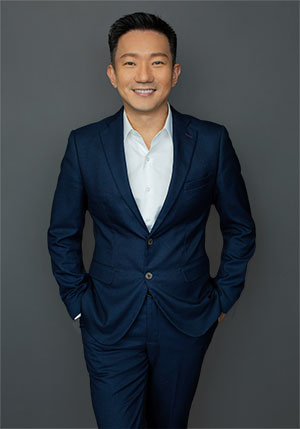
Medical Director & Consultant Plastic Surgeon
MBBS, MRCS, MMed, FAMS (Plastic Surgery)
Dr Jonah Kua is a plastic surgeon experienced in both reconstructive and aesthetic plastic surgery. He previously served as Head of the Plastic Surgery Service at Changi General Hospital and as National Programme Director in Plastic Surgery at Singapore General Hospital. Having completed fellowship training in the United Kingdom and South Korea, Dr Kua offers a comprehensive range of surgical procedures, taking an individualised approach to help patients achieve balanced, natural-looking results.

Medical Director & Consultant Plastic Surgeon
MBBS, MRCS, MMed, FAMS (Plastic Surgery)
Dr Chia Hui Ling has undergone advanced fellowship training in plastic surgery in South Korea and the United Kingdom, bringing international expertise to reconstructive and aesthetic procedures. She has special interests in facial plastic surgery, facial rejuvenation, breast reconstruction and microsurgery, and is known for her meticulous attention to detail and personalised approach to patient care. By combining advanced surgical techniques with evidence-based practice, Dr Chia develops individualised treatment plans that prioritise safety, function and natural-looking outcomes for every patient.
How can we help?
